

By Stanley Okehie
The National Human Rights Commission (NHRC) has instituted an Emergency Response Framework to address human rights violations against key and vulnerable populations in Nigeria.
The Chief Legal Officer of the NHRC, Imo State Office, Ikechukwu Ironali, Esq., disclosed this during a training session for members of Civil Society Organisations (CSOs) in Owerri.
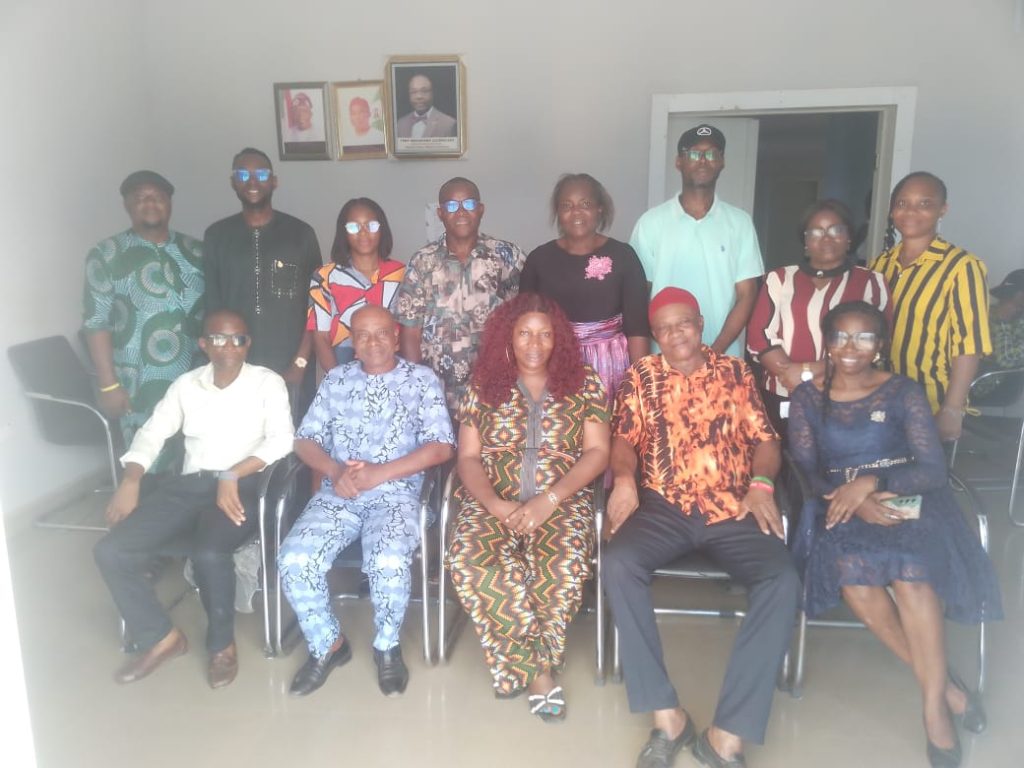
He identified key and vulnerable populations in Nigeria to include men who have sex with men (MSM), sex workers, transgender persons, people who use or inject drugs, persons in detention, persons living with HIV, survivors of gender-based violence (GBV), internally displaced persons, children and adolescents at risk, and persons with disabilities.
He noted that these groups face intersecting vulnerabilities and multiple layers of stigma, requiring coordinated interventions and a single lead for effective case management.
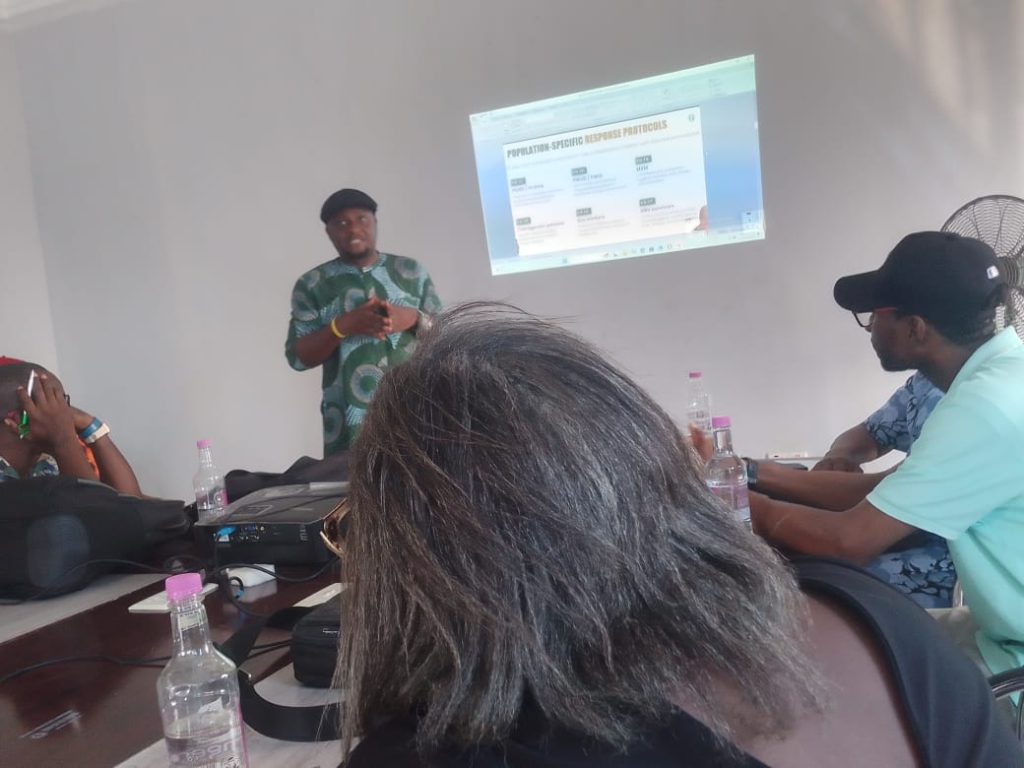
Ironali explained that the framework is anchored on binding national and international legal instruments, including the 1999 Constitution of the Federal Republic of Nigeria, as amended; the NHRC Act of 1995, as amended; the Administration of Criminal Justice Act, 2015; the HIV and AIDS (Anti-Discrimination) Act; and the Violence Against Persons (Prohibition) Act. Other international instruments include the Universal Declaration of Human Rights (UDHR), the International Covenant on Civil and Political Rights (ICCPR) and the Convention on the Elimination of All Forms of Discrimination Against Women (CEDAW).
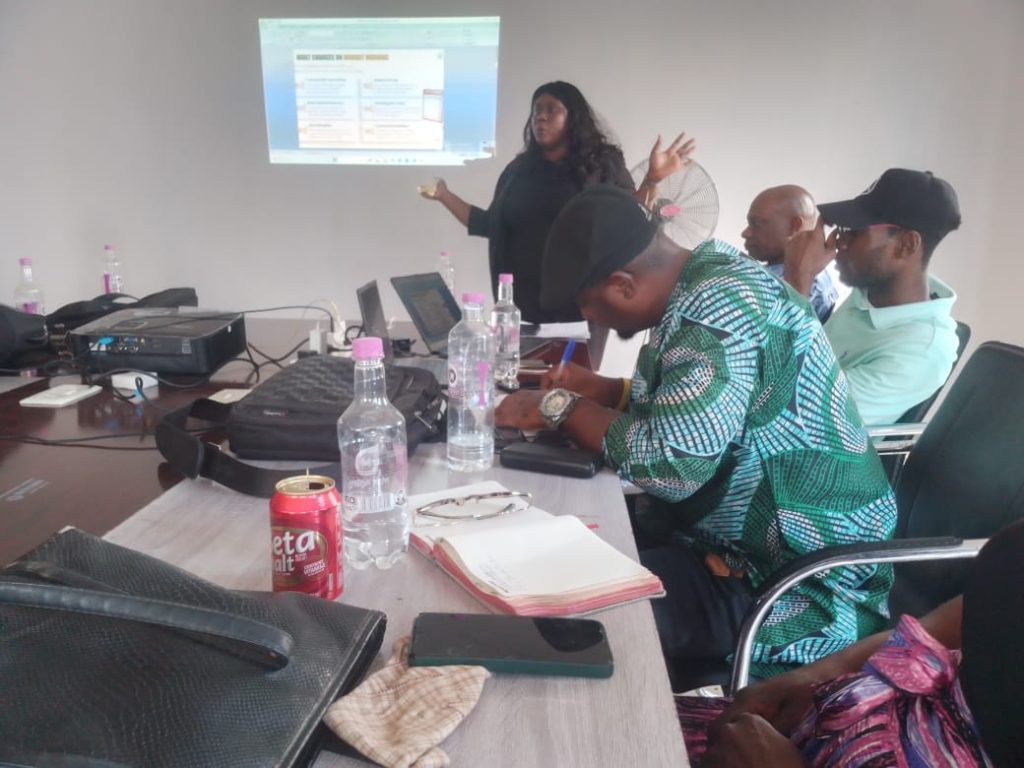
He further explained that complaints are classified into three tiers, which determine the urgency of response, the lead agency and the appropriate intervention. He revealed that more than 3.7 million complaints had been logged on the NHRC dashboard by the end of 2025.
The Chief Legal Officer urged partners to ensure prompt, coordinated and rights-based responses to human rights violations, warning that delayed interventions could deepen harm. He also identified weak referral systems, inconsistent documentation and inadequate attention to confidentiality and risk assessment as some of the challenges that undermine effective case management.
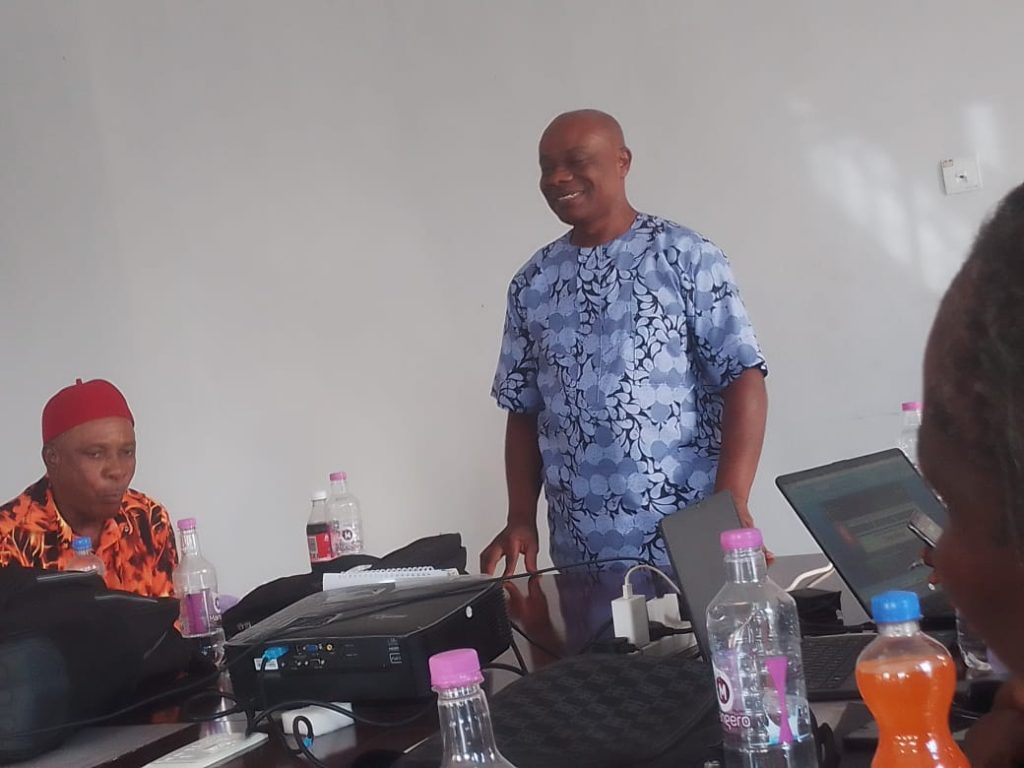
Earlier, the Imo State Coordinator of the NHRC, Dr. Valentine Madubuko commended participants for their commitment to the commission’s activities, expressing confidence that the training would strengthen their capacity as partners in human rights advocacy.