

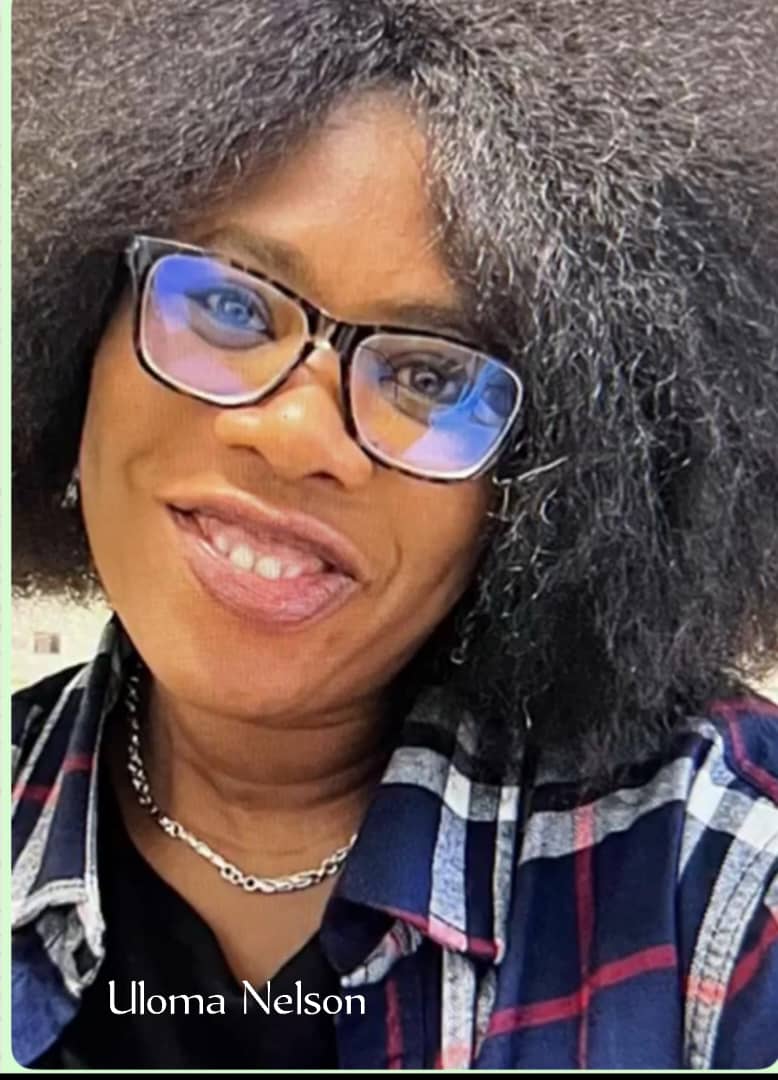
By Nelson Uloma Egondu
⸻
Abstract
This paper examines how inclusive curriculum design for challenged students—particularly those with disabilities—can foster workforce development, economic empowerment, and social inclusion in the United States. Through the application of educational leadership principles and adaptive technologies, the paper argues that inclusive education is not merely an act of equity but a catalyst for job creation and national advancement. A case study from Las Vegas, New Mexico (2023) is presented as evidence of the transformative potential of inclusive educational practices.
⸻
Introduction
Education has long been recognized as a cornerstone of democratic societies and economic growth (Dewey, 1938). However, traditional curricula often fail to address the unique needs of challenged students, leaving them marginalized and excluded from opportunities for advancement. My work in educational leadership is centered on a singular conviction: inclusive education is not charity; it is national progress. By adapting curriculum to meet the diverse needs of challenged learners, we create pathways for independence, employment, and social participation.
⸻
The Curriculum for the Challenged
Inclusive curriculum design is grounded in the principle of universal design for learning (UDL), which provides multiple means of representation, expression, and engagement for all students (CAST, 2018). When applied in practice, this approach breaks down structural barriers and fosters equal opportunity.
Adaptive technologies, such as AI-driven reinforcement learning systems, personalized literacy tools, and gamified STEM platforms, enable challenged learners to access the curriculum in ways that honor their unique strengths. Instead of being perceived as dependents, these students are positioned as contributors to society.
⸻
Leadership as a Tool for Transformation
Educational leadership is the mechanism through which inclusive curriculum becomes sustainable. Leaders must champion policy reforms, secure resources, and cultivate school cultures that value equity. Leadership in this context goes beyond administrative duties—it encompasses advocacy, innovation, and economic foresight (Fullan, 2014).
As an educational leader, my approach has emphasized:
• Teacher training in inclusive practices.
• Advocacy for disability-aware policy frameworks.
• Community-based STEM outreach to younger learners in underserved areas.
This leadership lens situates challenged students not at the margins of education but at the center of transformation.
⸻
Creating Jobs and Opening Life Advancement
The intersection of inclusive curriculum and economic development is underexplored but critical. By equipping challenged students with skills in technology, communication, and problem-solving, schools prepare them for integration into America’s workforce.
The ripple effects include:
• Assistive Technology Development: Stimulating industries that design tools for inclusive learning.
• Specialized Instructional Jobs: Expanding demand for special educators, aides, and adaptive software trainers.
• Research and Innovation: Generating new fields of inquiry in AI, inclusive education, and digital equity.
• Entrepreneurship: Encouraging challenged learners to design businesses that meet community needs.
Thus, inclusive education is both an equity mandate and a workforce strategy for America.
⸻
Case Study: Las Vegas, New Mexico – 2023
In 2023, I coordinated an inclusive education initiative within the Las Vegas City Schools (LVCS) and West Las Vegas School District. The project aimed to integrate adaptive technologies and inclusive pedagogy for challenged learners across multiple schools.
Key Interventions:
1. AI-Driven Literacy Tools at Robertson High School
• Deployed software that adapted reading passages for students with dyslexia.
• Result: measurable improvement in comprehension within one semester.
2. STEM Saturday Workshops at Memorial Middle School
• Inclusive robotics and coding sessions tailored to challenged learners.
• Result: students who had been disengaged in traditional classrooms participated in the 2023 San Miguel County STEM Fair, showcasing their projects.
3. Teacher Capacity Building
• Over 25 teachers trained in universal design for learning and inclusive lesson planning.
• Result: increased teacher confidence and a rise in classroom attendance among challenged learners.
Community Impact:
• Created temporary employment for instructional aides and program coordinators.
• Built stronger family-school partnerships as parents witnessed their children thriving.
• Positioned Las Vegas, NM as a local model of inclusive curriculum with scalable potential across rural America.
This case illustrates that inclusive curriculum is not theoretical; it yields practical, measurable outcomes that benefit students, teachers, families, and the broader economy.
⸻
The Rose That Merry
The phrase rose the merry symbolizes the joy and resilience of challenged learners who bloom despite systemic obstacles. Their progress embodies hope not just for families but for communities and the nation. Educational leadership nurtures these roses, ensuring that their fragrance spreads across America.
⸻
Conclusion
Inclusive curriculum for challenged students is a pathway to national advancement. It creates jobs, stimulates industries, and fosters economic and social inclusion. The Las Vegas, NM case study demonstrates that even small communities can serve as laboratories of innovation when educational leadership is combined with adaptive technologies.
As an educational leader, my mission is clear: to raise the rose that merry, ensuring that challenged learners are not left behind but are elevated as vital contributors to America’s future.
⸻
References
• CAST (2018). Universal Design for Learning Guidelines version 2.2. Retrieved from http://udlguidelines.cast.org
• Dewey, J. (1938). Experience and Education. New York: Macmillan.
• Fullan, M. (2014). The Principal: Three Keys to Maximizing Impact. San Francisco: Jossey-Bass.