

By Stanley Okehie
The Imo State Working Group on Business and Human Rights has been inaugurated with a mandate to coordinate government agencies involved in business and human rights, as well as oversee corporate due diligence, human rights impact assessments and grievance redress mechanisms.
The group is also expected to review labour laws and develop policies requiring new businesses to assess their potential human rights impact before commencing operations.
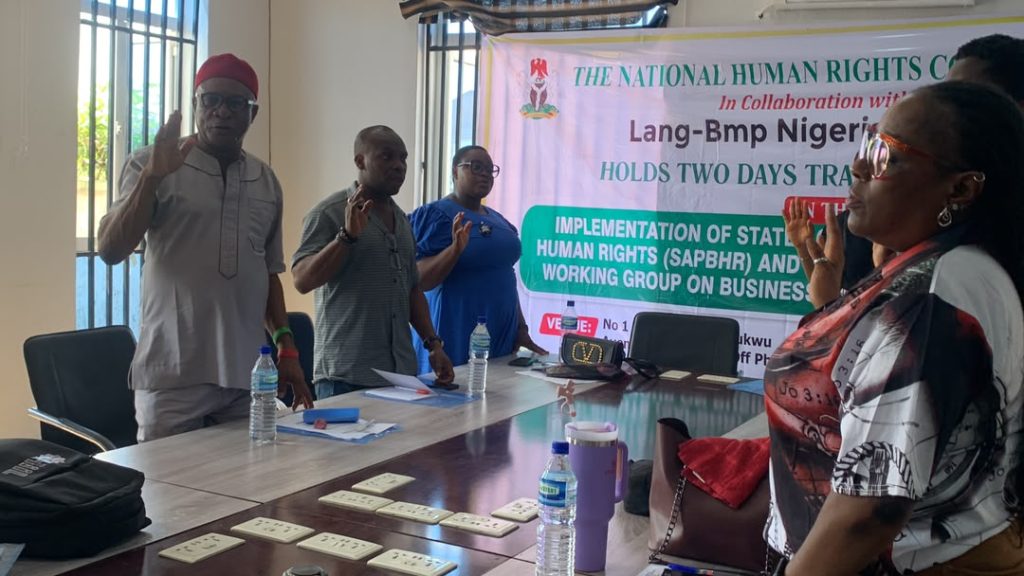
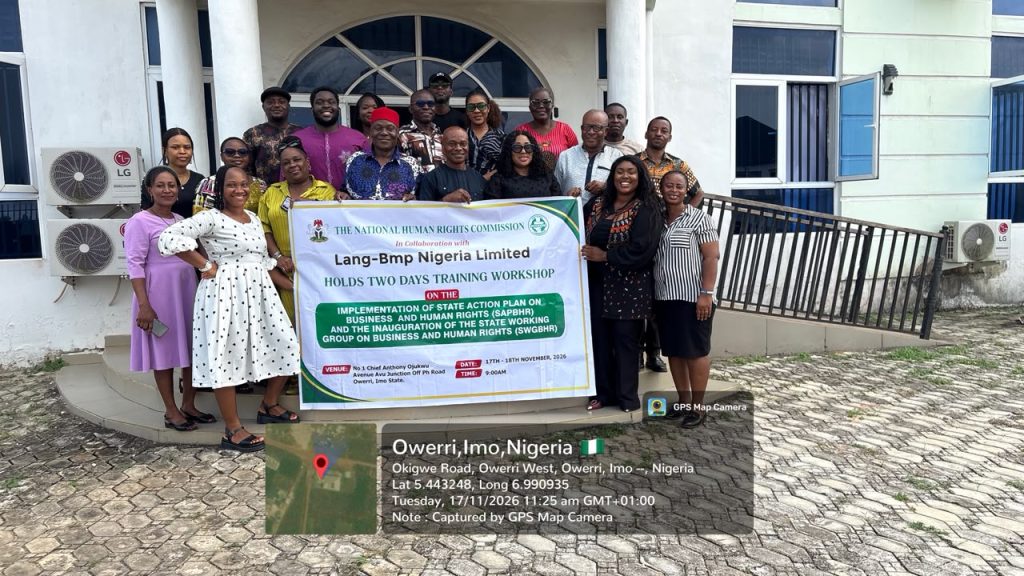
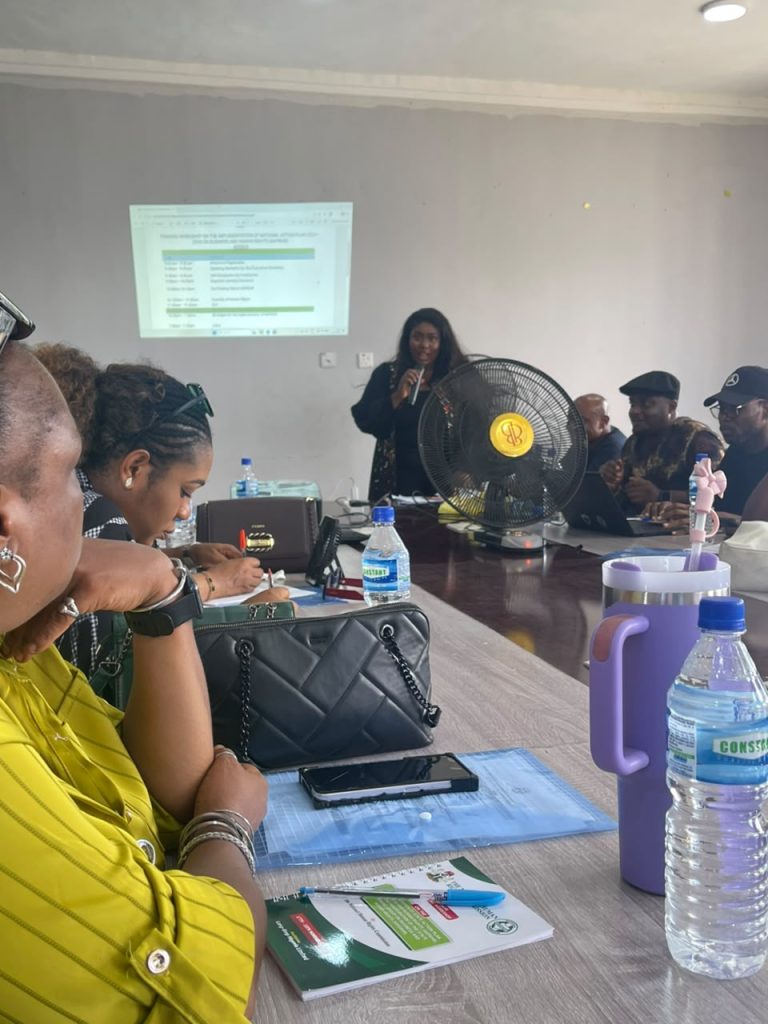
The inauguration took place during a two-day training workshop on Business and Human Rights, organised by the National Human Rights Commission (NHRC), Imo State Office.
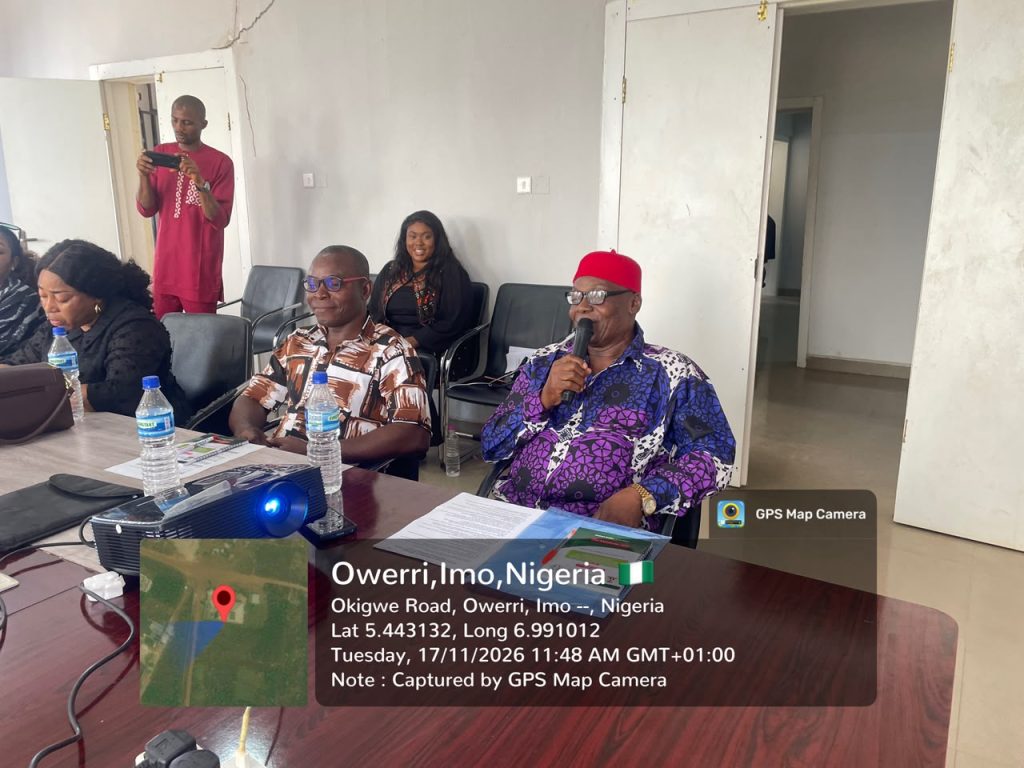
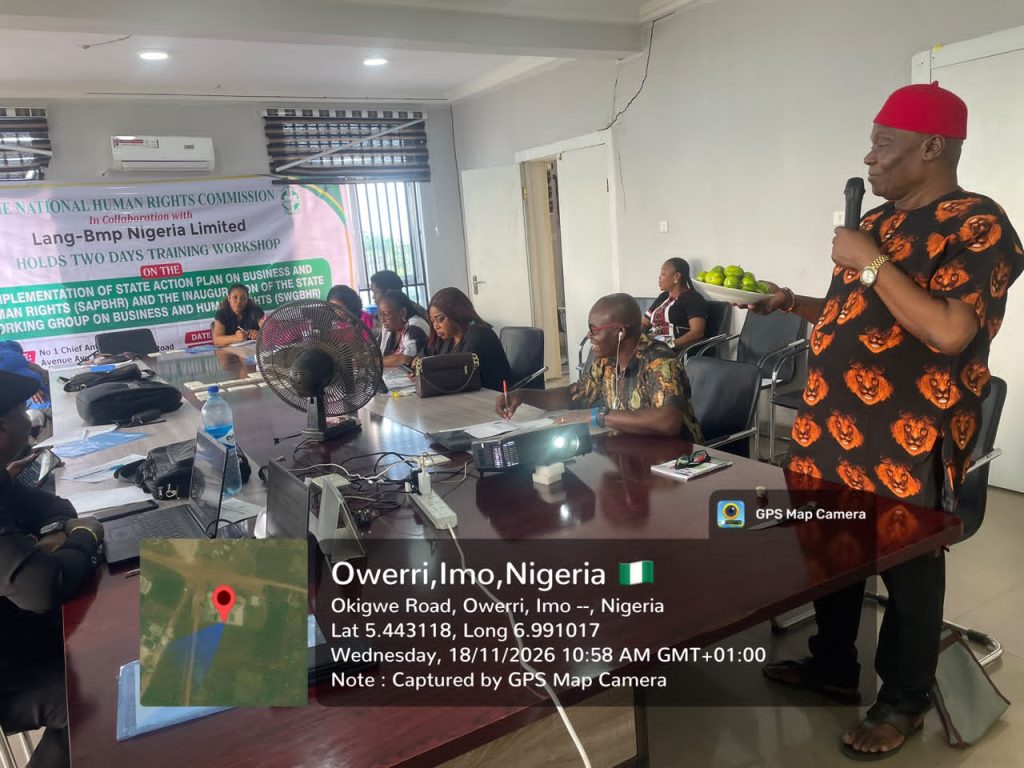
The workshop attracted representatives of various Ministries, Departments and Agencies (MDAs), Civil Society Organisations, private business sectors, the media and other key stakeholders.
Inaugurating the group, the Imo State Attorney General and Commissioner for Justice, Honourable Paul Obinatu Esq., represented by Nkechi Obioha Esq. charged members to uphold professionalism in the discharge of their responsibilities.
She emphasised that the responsibility to protect human rights extends to every business enterprise operating in the State.
Earlier, in an address by the Executive Secretary of the National Human Rights Commission, Chief Tony Ojukwu presented by the Imo State Coordinator of the Commission Dr. Valentine Madubuko, the Commission noted that business activities could have significant implications for human rights.
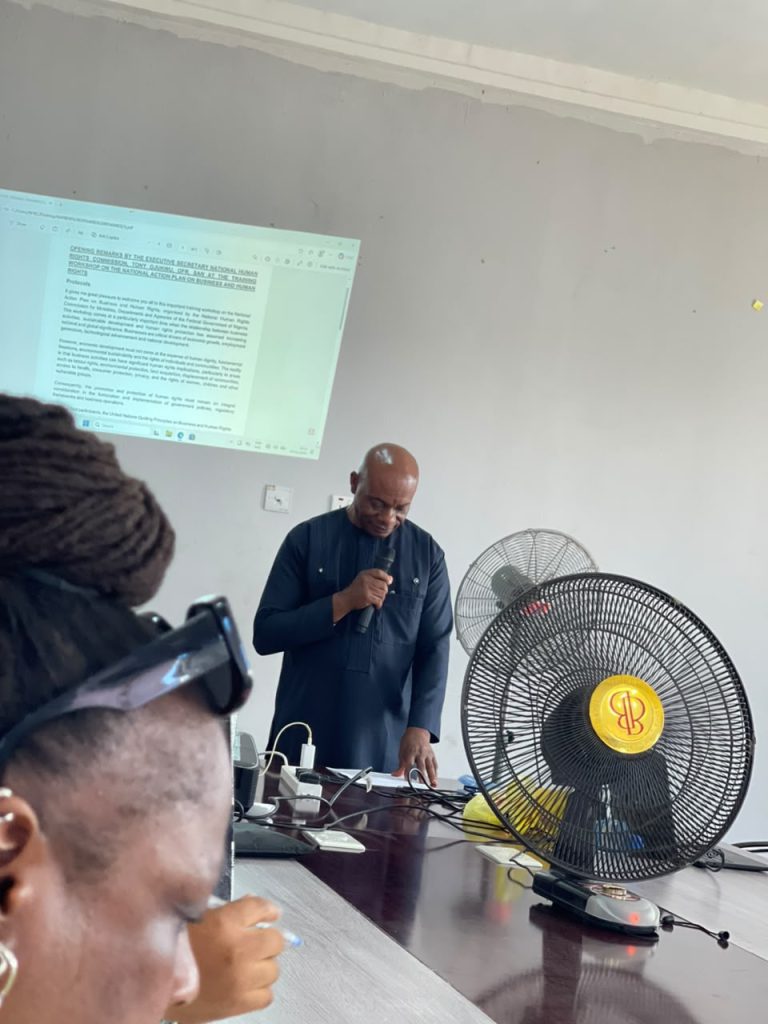
These include labour rights, environmental protection, land acquisition, displacement of communities, access to healthcare, consumer protection, privacy and the rights of women, children and other vulnerable groups.
He explained that the United Nations Guiding Principles on Business and Human Rights provide an internationally recognised framework for addressing the relationship between business activities and human rights.
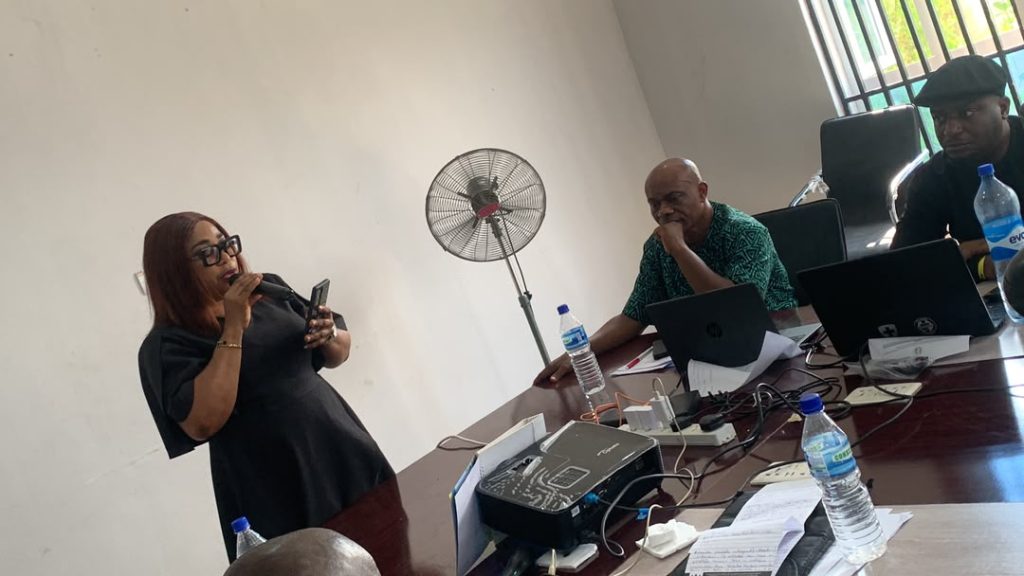
According to him, the framework is anchored on three fundamental pillars: the state’s duty to protect human rights, the corporate responsibility to respect human rights and access to effective remedies for victims of business-related human rights abuses.
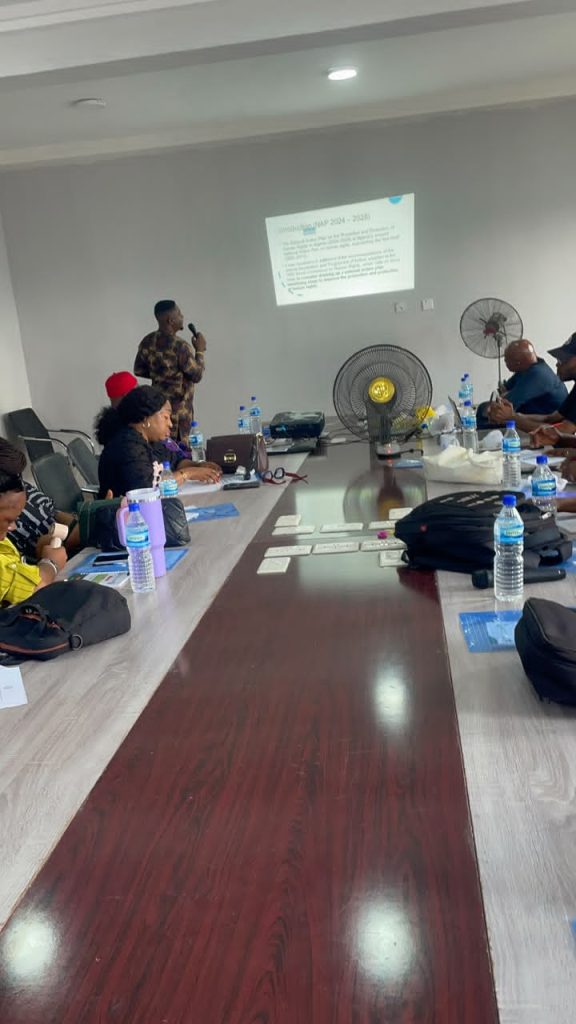
In his presentation on strategies for implementing the National Action Plan on Business and Human Rights, the Chief Legal Officer of the NHRC, Imo State Office, Ikechukwu Ironali Esq., explained that the National Action Plan 2024–2028 is designed to assess the human rights situation in Nigeria, identify areas requiring promotion, protection and improvement, and provide a framework for sustained and coordinated national monitoring and protection of human rights over five years.
Also speaking, the Principal Legal Officer of the NHRC, Imo State Office Ihunanya Okoroji Esq., described the training as important, noting that human rights are fundamental to human dignity, equality, justice, democracy, good governance and sustainable development.
She maintained that the protection of human rights should not be regarded as the exclusive responsibility of the Commission, lawyers or law enforcement agencies.
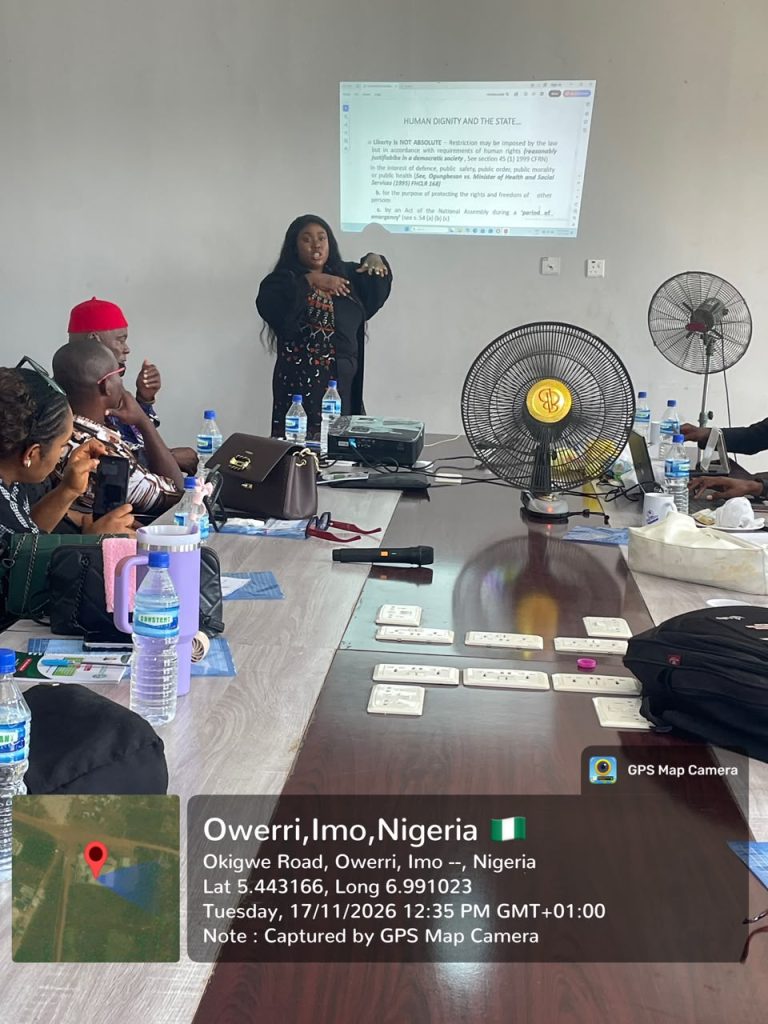
She further stated that government exists to serve the people and exercise public authority within the confines of the law, stressing that human dignity must remain at the centre of public administration.
Participants at the workshop pledged their commitment to implementing the National Action Plan using the provided template to ensure that its objectives are achieved.
They also resolved to promote the integration of human rights considerations into government policies, legislation, regulations, monitoring and enforcement mechanisms.