

By Stanley Okehie
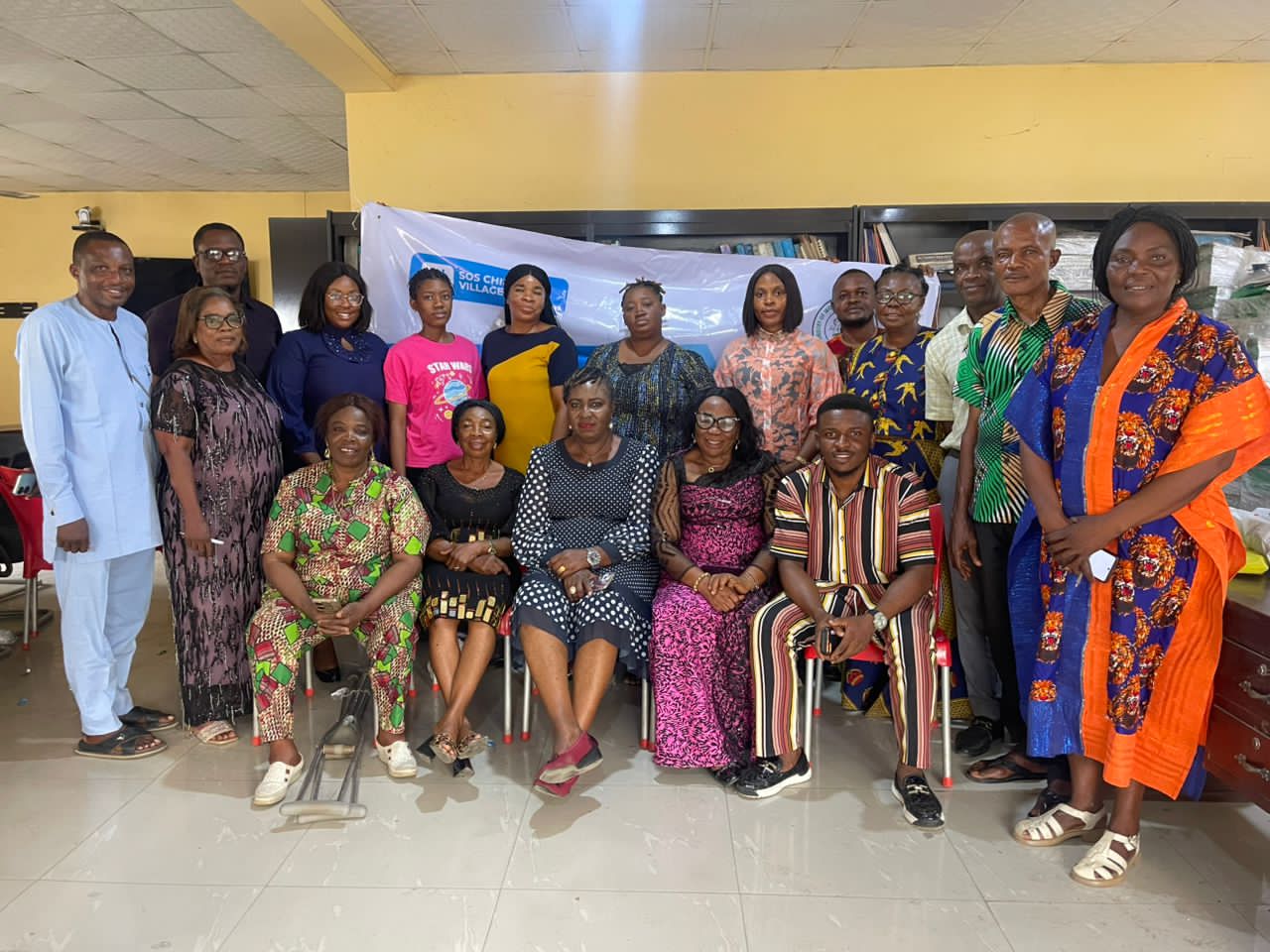
The two-day drafting and validation sessions for the domestication of the Guidelines on Alternative Care for Children in Imo State have been concluded in Owerri, the state capital.
The exercise was organized by the Child Protection Network Nigeria (CPNN), with support from SOS Children’s Villages and the Imo State Ministry of Women Affairs and Social Welfare leading the process.
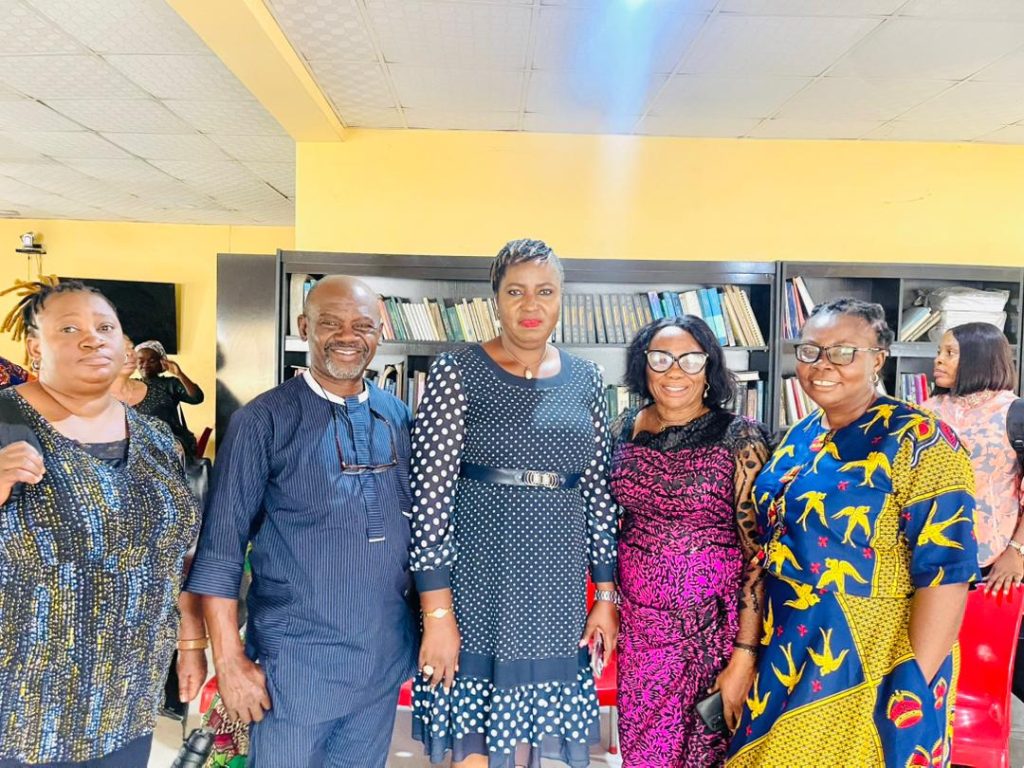
Speaking at the event, the Commissioner for Women Affairs and Social Welfare, Hon. Mrs. Nkechinyere Ugwu, represented by the Director, Child Development, Dr. Oby Azubuike reaffirmed the ministry’s commitment to the welfare of vulnerable children in the state. She urged participants to ensure that all necessary inputs were captured, stressing that their contributions would serve as a lasting legacy.
Dr. Azubuike, who chaired the occasion, called on stakeholders to work collaboratively to provide comprehensive services for children.
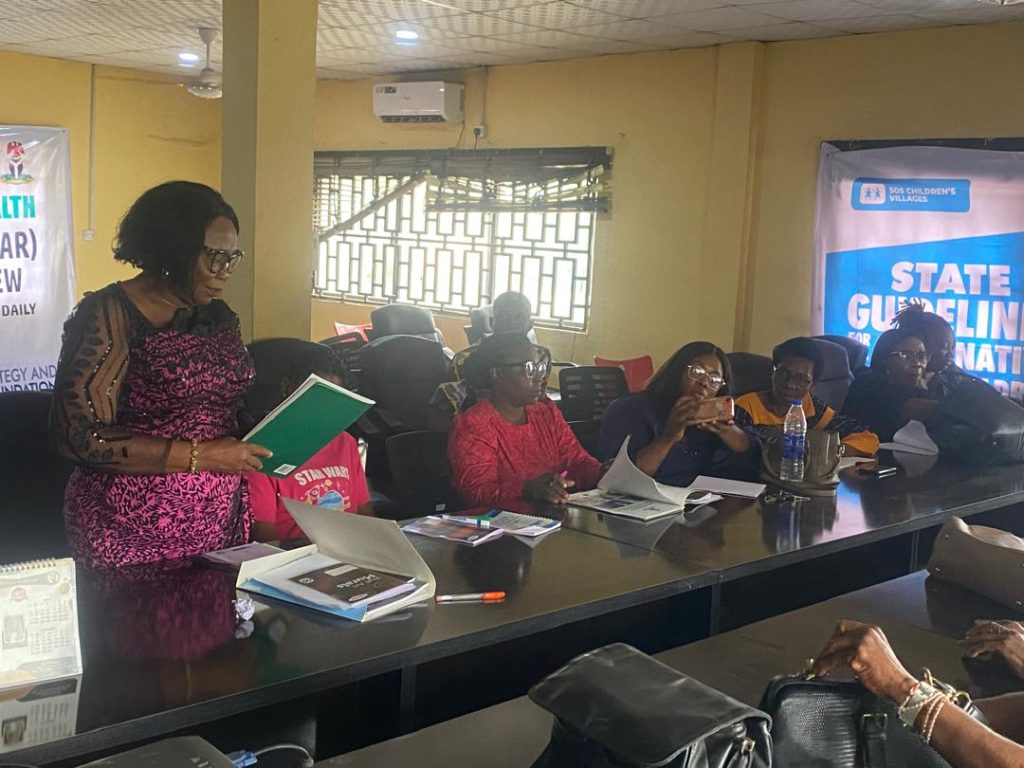
A major concern addressed during the sessions was the plight of street children, with emphasis on their reintegration and reunification with families and communities. Participants urged the government to provide essential facilities, education, and family reunification programs to address the challenge.
Stakeholders also tasked the Ministry of Women Affairs and Social Welfare with ensuring that family tracing activities are prioritized, with individualized plans designed for children in orphanages.
“Once family tracing fails, the child should be fostered or adopted instead of remaining in the orphanages,” they submitted.
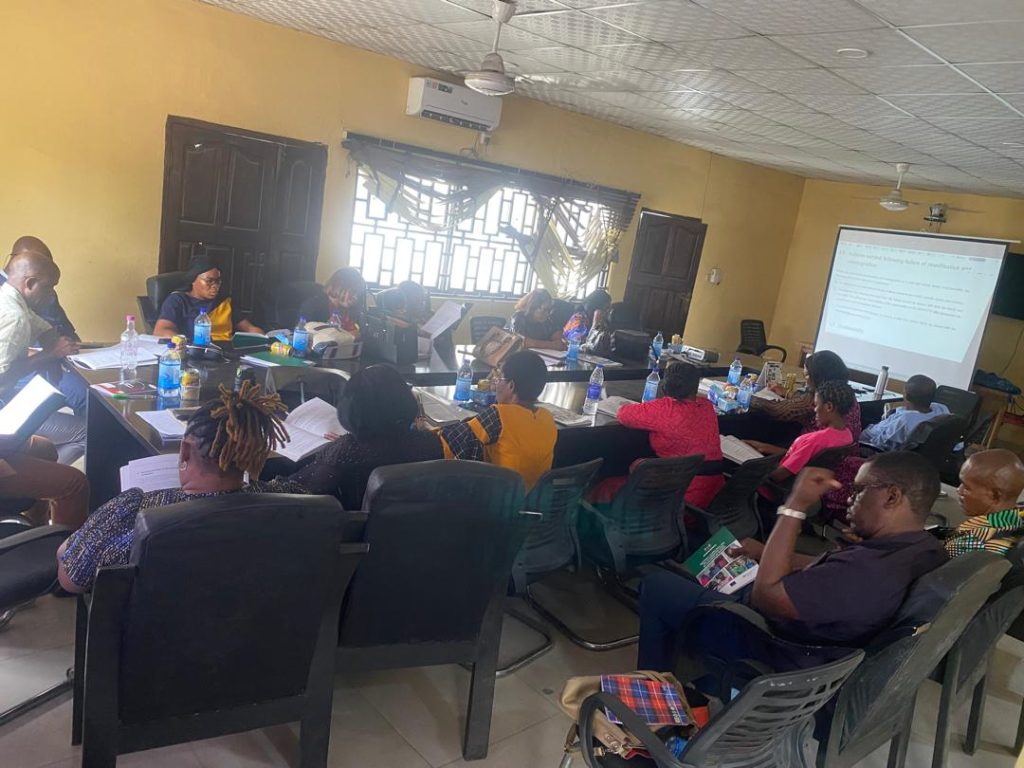
Other key contributions focused on foster care, kinship care, education, healthcare, and broader social welfare interventions.
In her remarks, the Imo State Child Protection Network Coordinator, Prof. Grace Ngozi Isiozor commended stakeholders for their dedication throughout the intensive review process. She expressed gratitude to the Imo State Government for its sustained support for child protection programs.
Prof. Isiozor, who facilitated the two-day exercise, also acknowledged the crucial role of the Alternative Care Guidelines (ACG) resource person, Mr. Iwuamadi Chimaobi, and congratulated participants on the successful drafting and validation of the document.
The collaborative efforts, she said, marked a significant step toward implementing a robust framework to safeguard the rights and welfare of children in Imo State.
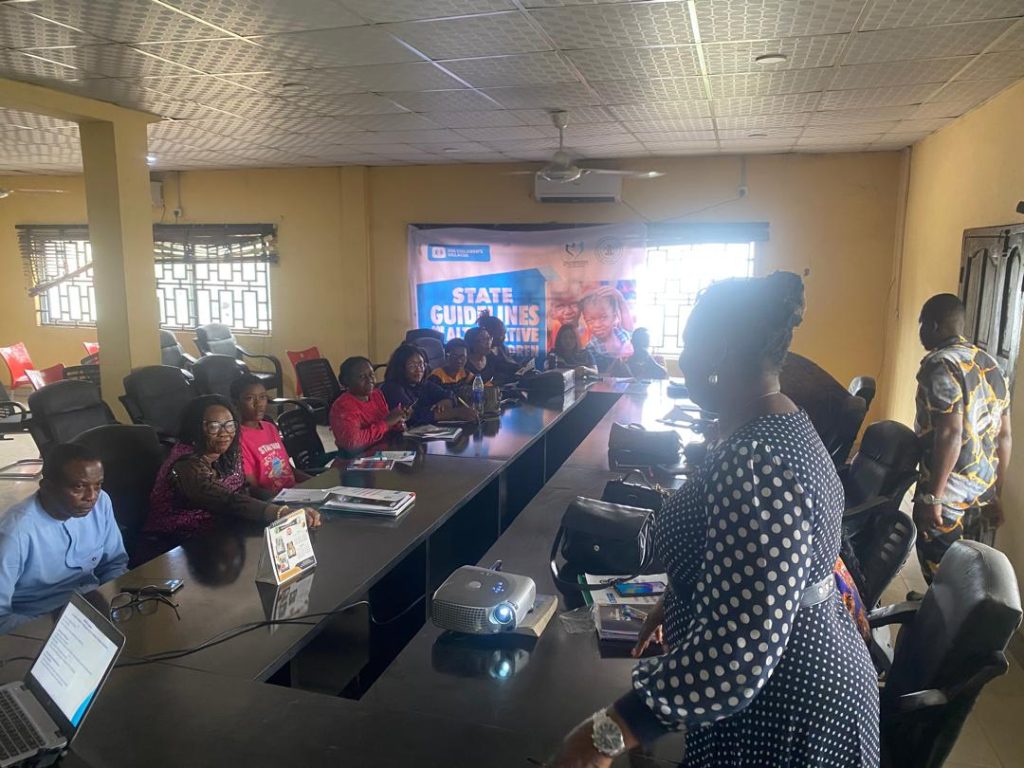
In attendance were members of the Child Protection Network Nigeria, SOS Children’s Villages Nigeria, Civil Society Organizations (CSOs), and representatives of key government ministries, including Education, Justice, Health, Local Government and Chieftaincy Affairs, and Information and Strategy.
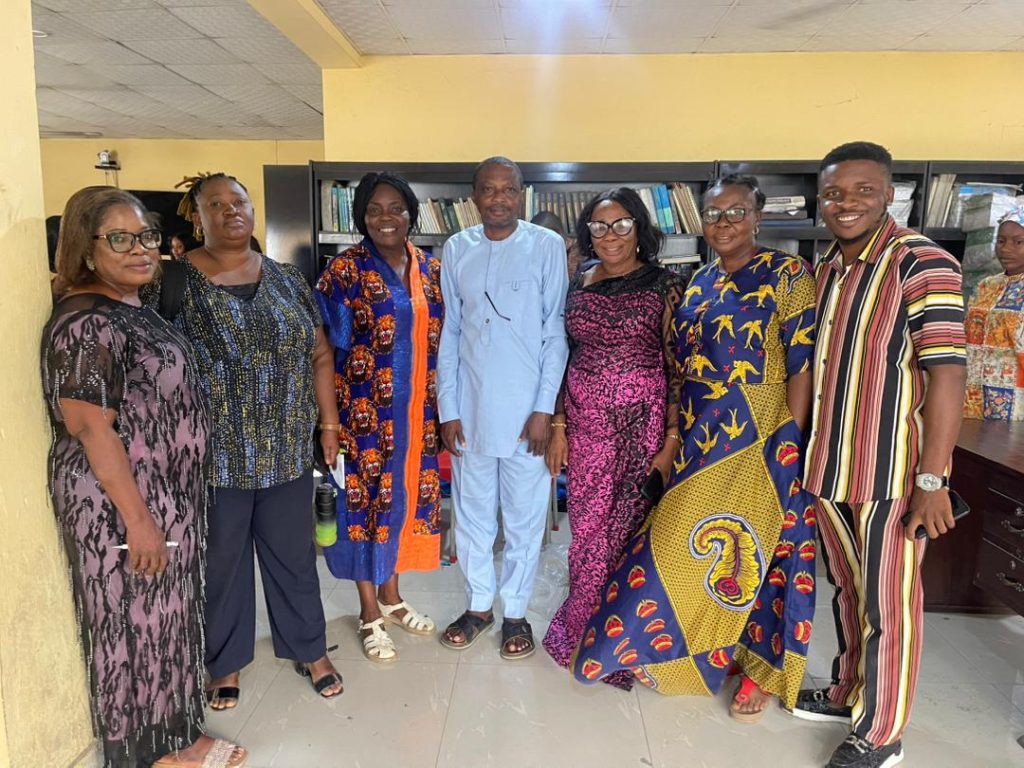
Also present were representatives of the Imo Broadcasting Corporation, the National Orientation Agency, the National Human Rights Commission, the National Agency for the Prohibition of Trafficking in Persons (NAPTIP), the National Association of Women with Disabilities, the Traditional Rulers Council, the Orphanage Homes Association, the Federation of International Women Lawyers (FIDA), and the Imo State House of Assembly, among other stakeholders.
An alternative care guideline is a set of internationally recognized principles and recommendations, like the UN Guidelines for the Alternative Care of Children, that provides guidance for governments, organizations, and practitioners on how to care for children who cannot be cared for by their own families.