

For generations, some cultural practices in Umuariam Ancient Kingdom in Obowo Local Government Area have remained difficult subjects to challenge openly.
Community leaders themselves identify the Osu-Ume dichotomy, female genital mutilation, forced marriage and certain widowhood practices among traditions that continue to raise concerns.
Now, an important conversation is taking place inside the community’s traditional leadership.
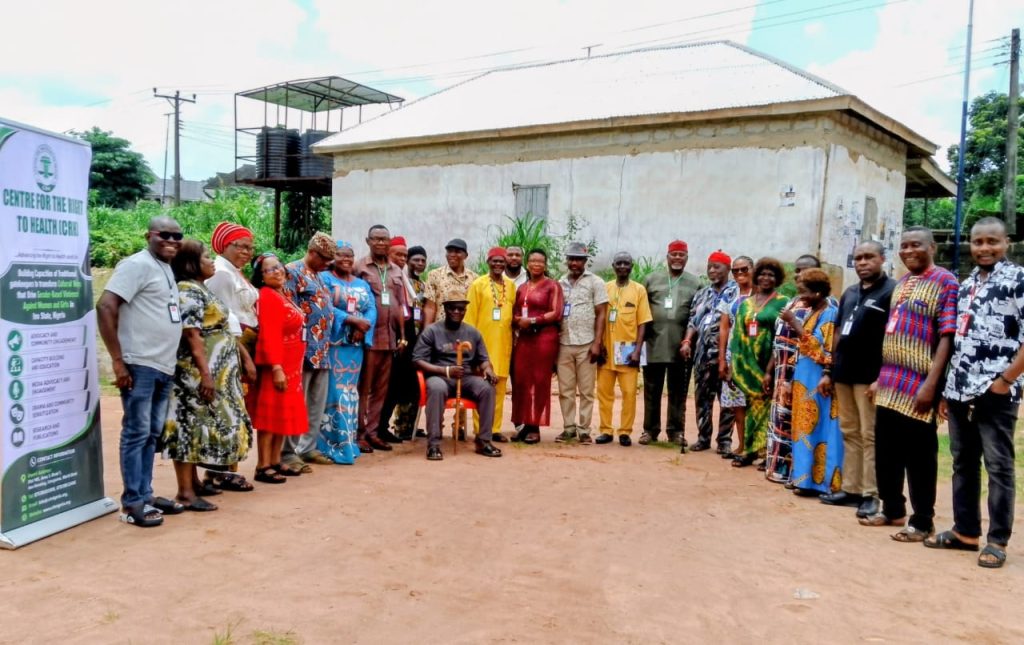
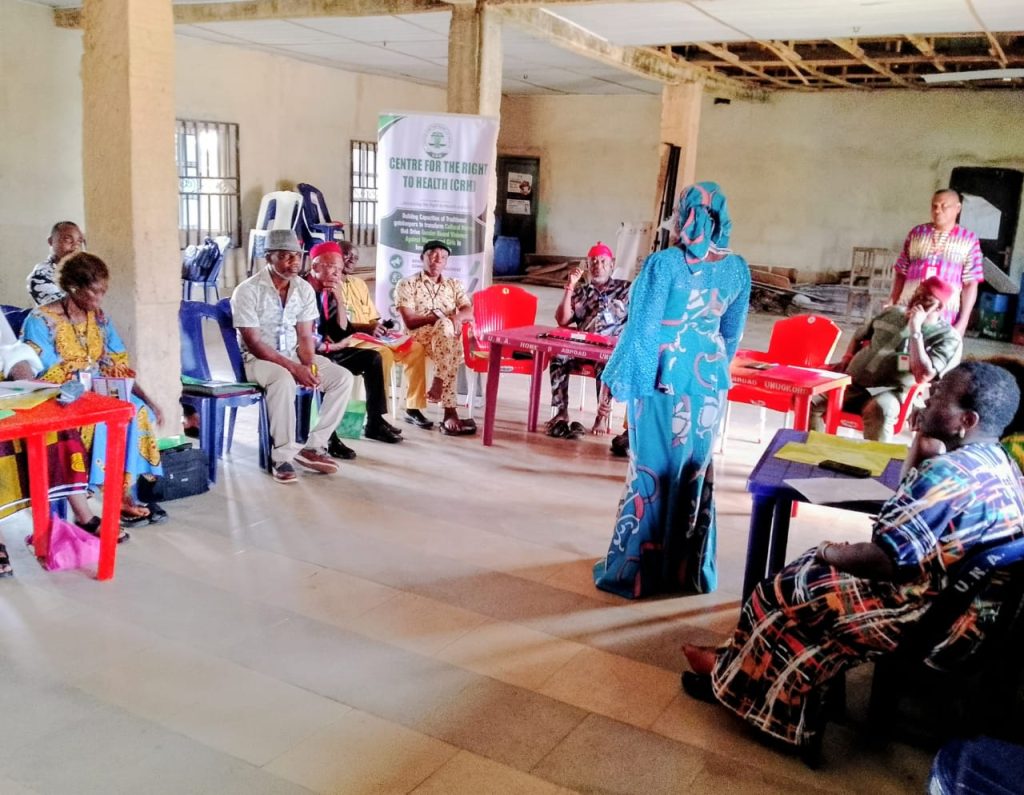
Following a three-day Cultural Norm Shift Retreat organised by the Centre for the Right to Health (CRH), with funding from the Ford Foundation, the traditional ruler of Umuariam Ancient Kingdom, Eze Augustine Adiele Nwigwe, Eze Ohachoro III, committed his palace to developing a Palace Charter aimed at addressing harmful traditional practices and gender-based violence.
More significantly, the commitment has been given a deadline.
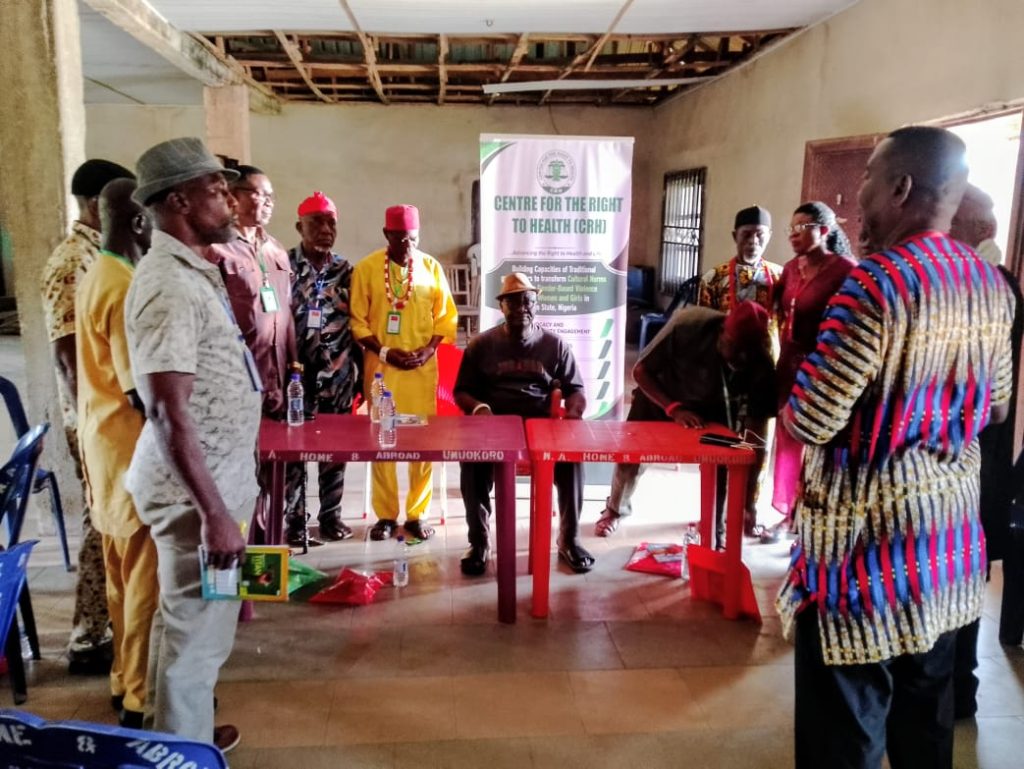
Within 90 days, according to the traditional ruler, the Palace Charter Committee is expected to develop the charter, sensitise community members and begin implementation.
Eze Nwigwe acknowledged the existence of harmful practices in the community, identifying the age-long Osu-Ume dichotomy and forced marriage among traditions requiring change.
He pledged to work towards changing community perceptions surrounding such practices and said the proposed Palace Charter would provide a framework for the process.
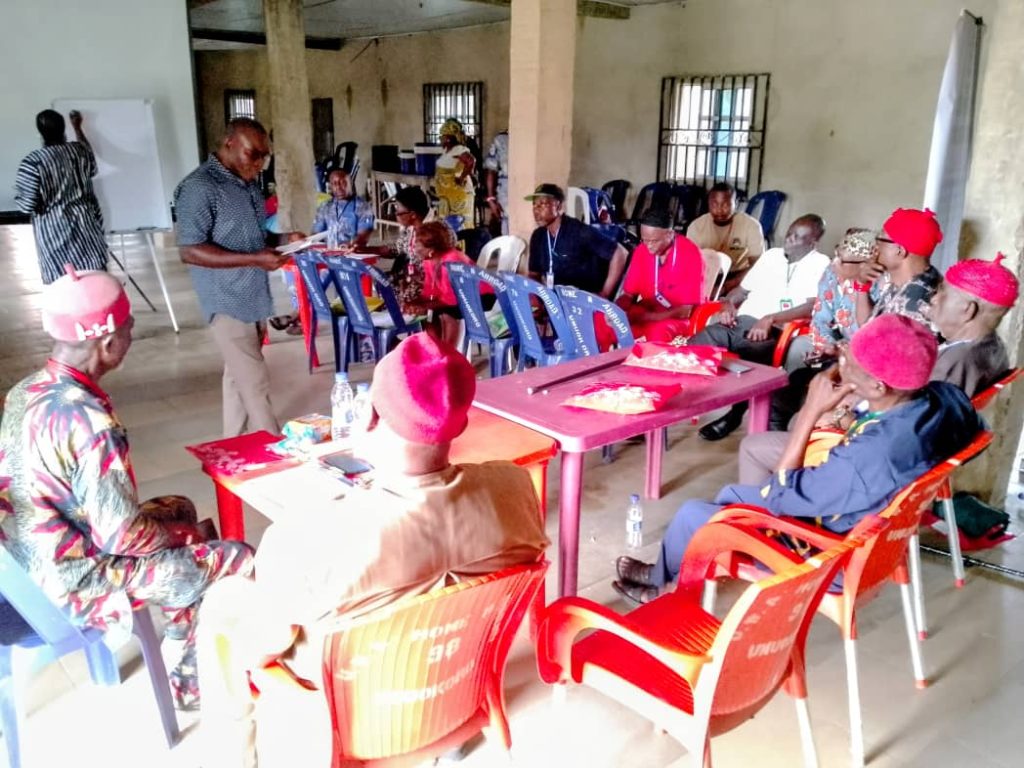
The traditional Prime Minister, Chief Edwin Obilo, also acknowledged that female genital mutilation and the Osu practice remain concerns within the community.
Umuariam woman leader Mrs Jovita Onyekwere said the retreat had further empowered women to speak up for widows who are traditionally subjected to isolation until the burial of their husbands.
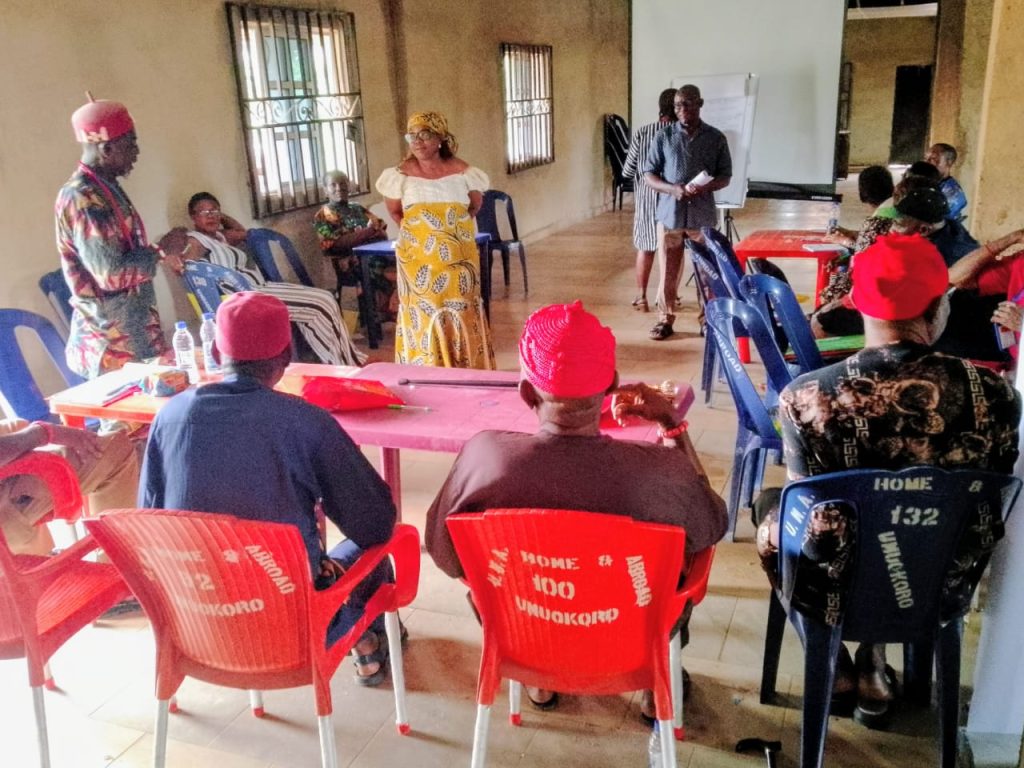
She described the practice as unacceptable.
Chief Gerrard Onwumere recalled that two persons with disabilities had previously received educational support from the community. However, he said the retreat exposed participants to broader challenges confronting persons with disabilities.
He subsequently advocated increased community support for persons with disabilities and pledged to support the development and implementation of the Palace Charter.