

For years, some women in Isu Ancient Kingdom, Nwangele Local Government Area of Imo State, have faced cultural practices that restrict their freedom, deny them inheritance rights and subject them to degrading widowhood rituals. But following a three-day Leadership Norm-Shift Retreat held from 13 to 15 October 2026, traditional leaders and community representatives are beginning to question practices once accepted as part of their cultural heritage.
The retreat, organised by the Centre for the Right to Health (CRH), sought to strengthen the capacity of traditional leaders and other community gatekeepers to identify and transform harmful social norms that contribute to gender-based violence against women and girls.
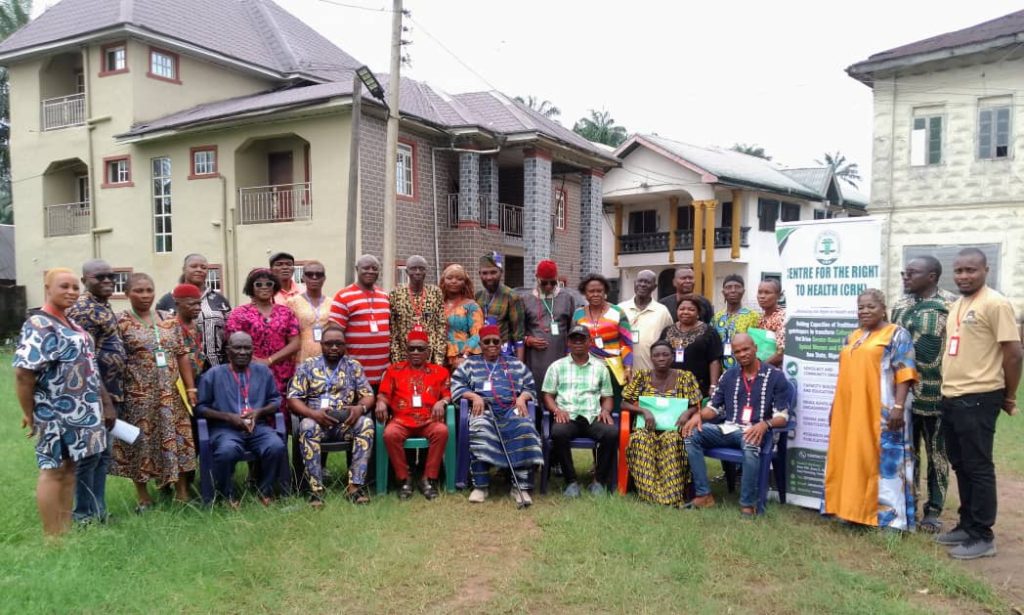
Beyond identifying harmful practices, participants reflected on their own responsibilities and made commitments to challenge discrimination, protect vulnerable community members and promote more inclusive leadership.
For the traditional ruler of Isu Ancient Kingdom, HRM Eze Edward Akano, Ezerioha IV, the retreat provided an opportunity to confront practices that have continued to undermine the dignity and wellbeing of members of his community.
The monarch identified female genital mutilation, discriminatory widowhood rites and the Osu caste system among the cultural practices requiring urgent attention.
He expressed particular concern over the custom of isolating widows for three months before the burial of their husbands, describing the restriction of their movement as a potential threat to their health and safety.
According to the monarch, prolonged isolation could prevent women from accessing essential care and, in extreme circumstances, expose them to life-threatening consequences.
He also condemned discrimination against women who do not have male children, questioning traditions that deny women rights and privileges because of the sex of their children.
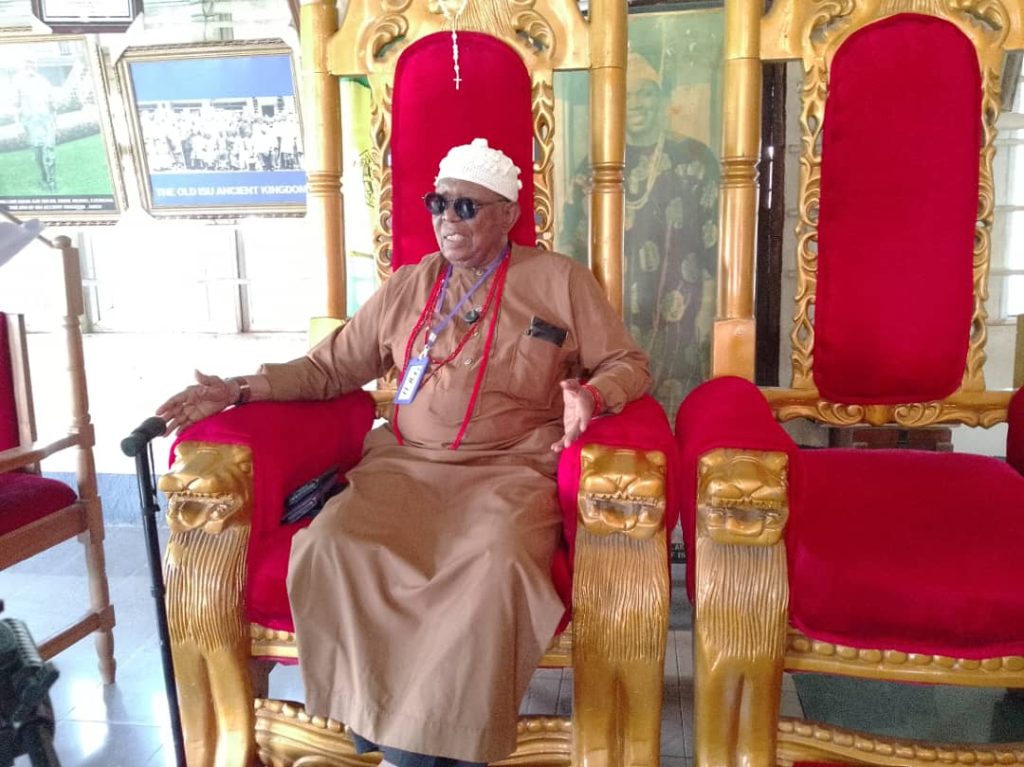
Eze Akano commended CRH for organising the retreat and called for broader community participation to ensure that the conversations and lessons extended beyond those in attendance.
For the Secretary-General of Isu Ancient Kingdom, Comrade Chidiebere Nwadike, one of the retreat’s significant lessons was recognising how deeply rooted cultural beliefs could create fear and discourage people from questioning injustice.
He observed that some community members continued to live under the influence of traditions they feared challenging, even when those practices affected their dignity and freedom.
Following the retreat, Nwadike committed himself to using his leadership position to speak against harmful practices and encourage affected community members to regain their confidence.
He also questioned the practice of transferring a father’s property exclusively to the first male child, even where other sons were entitled to consideration.
Describing the arrangement as unjust, he called for its review and pledged to share the knowledge acquired during the retreat with other community members.
One of the retreat’s most compelling accounts came from Ezinne Lovinda Amechi, who described the experience of a widow whose husband died leaving four daughters.
According to Amechi, the widow was denied inheritance rights despite being required to contribute financially towards her husband’s burial.
For Amechi, the retreat reinforced the importance of women speaking out against injustice rather than remaining silent when discriminatory practices occur.
She pledged to revisit the widow’s case and advocate for the daughters to benefit from the distribution of their late father’s remaining property.
Amechi also recounted an allegation involving a widow who was forced to eat kolanut washed with water from her deceased husband’s body as a ritual intended to establish her innocence in his death.
She condemned the practice as degrading and expressed her determination to challenge customs that violate human dignity.
Another participant, Chief Prince Obiefule Chukwuma described the retreat as an opportunity for both personal reflection and wider community transformation.
He condemned the Osu caste system, which he considered an obstacle to social inclusion and community development.
Chukwuma urged residents to regard one another as members of the same community, regardless of inherited social status or family background.
He also pledged to promote the inclusion of persons with disabilities in community affairs, recognising the need for greater participation by people who have historically faced exclusion.
Addressing gender-based violence, he called on men to reject wife battering and stressed the importance of holding perpetrators accountable.
Chukwuma committed himself to sharing the lessons of the retreat and supporting efforts to challenge discriminatory practices.
For Mrs Chinyere Damaris Eze, the retreat reinforced the principle that women, men and persons with disabilities are entitled to equal dignity and rights.
She expressed concern over the disinheritance of women and recounted the reported experience of a widow and her son who were forced to rent accommodation outside her late husband’s compound after being denied inheritance rights.
The incident, she explained, demonstrated the hardship that could result when cultural expectations were placed above fairness and the wellbeing of family members.
Eze also raised concerns about incest, referring to a case involving two families that remained before the courts pending the outcome of a DNA test.
She emphasised the importance of responsible parenting, moral education and community dialogue in preventing harmful behaviour.
Drawing on the retreat’s lessons, Eze advocated the revival of traditional storytelling as a means of teaching younger generations values that promote respect, responsibility and peaceful coexistence.
She expressed confidence that the knowledge gained would strengthen her ability, alongside other participants, to challenge discriminatory traditions affecting women and girls.
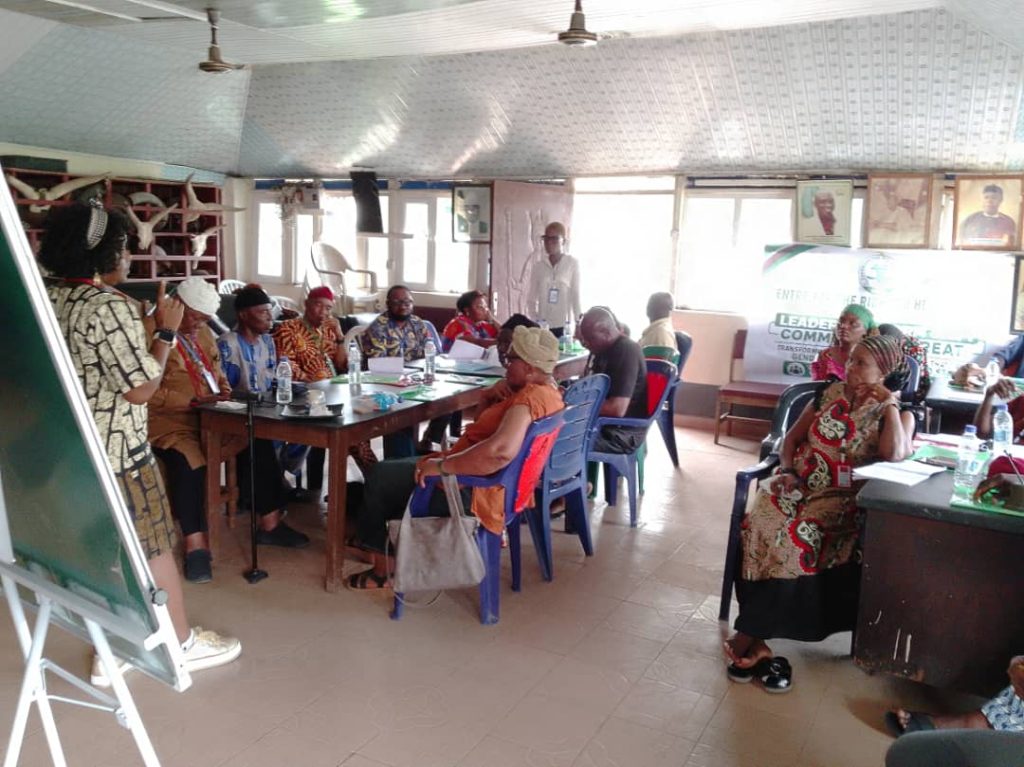
Across the participants’ accounts, a common theme emerged: the growing willingness of traditional leaders and community members to question cultural practices that have long been accepted without challenge.
The traditional ruler publicly identified customs requiring reform. The community secretary committed to challenging discriminatory inheritance arrangements. Women participants expressed greater readiness to confront degrading widowhood practices and advocate for families denied inheritance rights. Other community representatives pledged to address caste discrimination, domestic violence and the exclusion of persons with disabilities.