

By Stanley Okehie
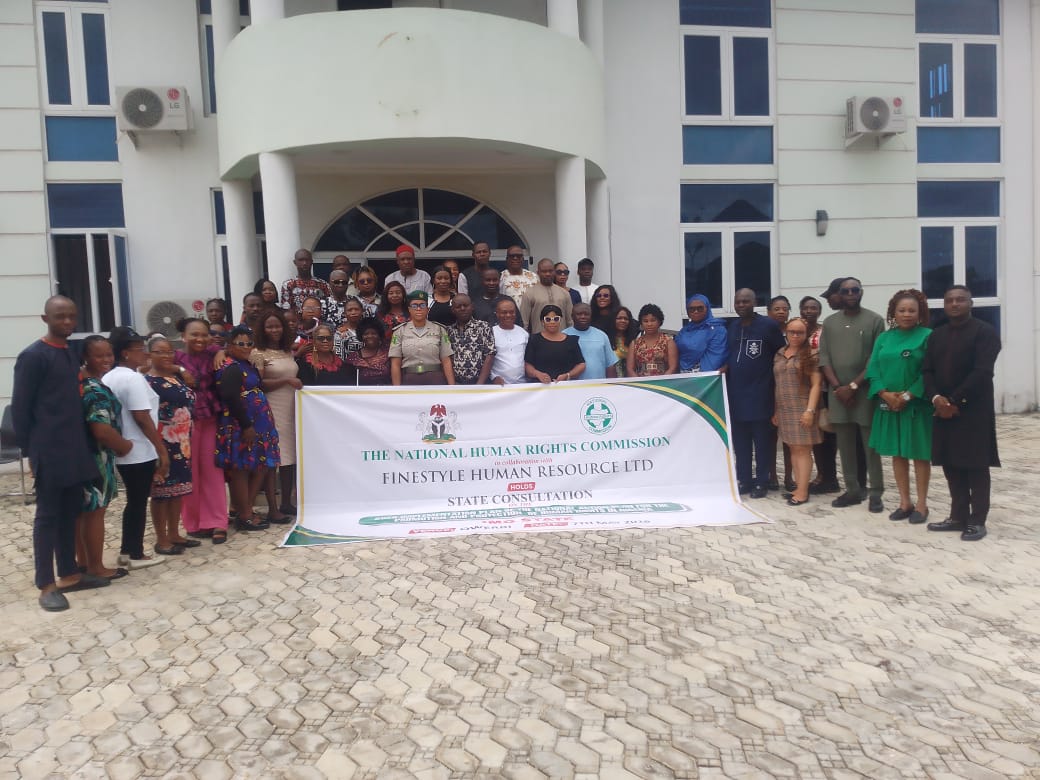
The Consultative Meeting on the National Action Plan for the Promotion and Protection of Human Rights in Nigeria (2024–2028) has taken place at the Imo State office of the National Human Rights Commission (NHRC), Chief Anthony Ojukwu Avenue, off Avu Junction, in Owerri West Local Government Area.
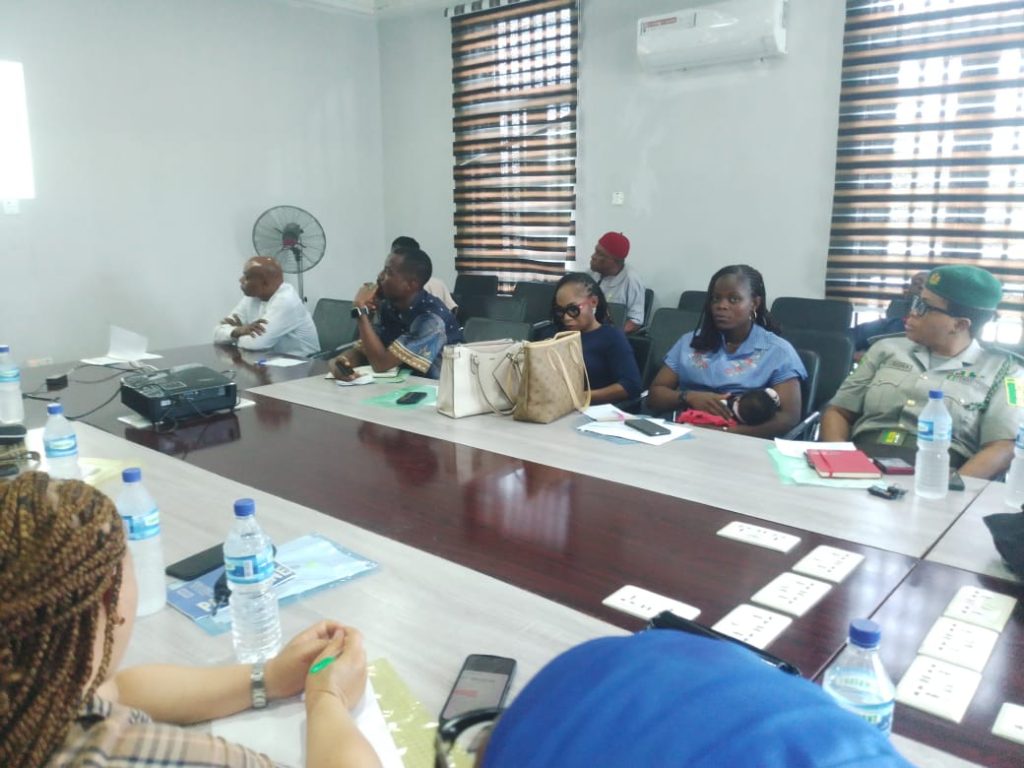
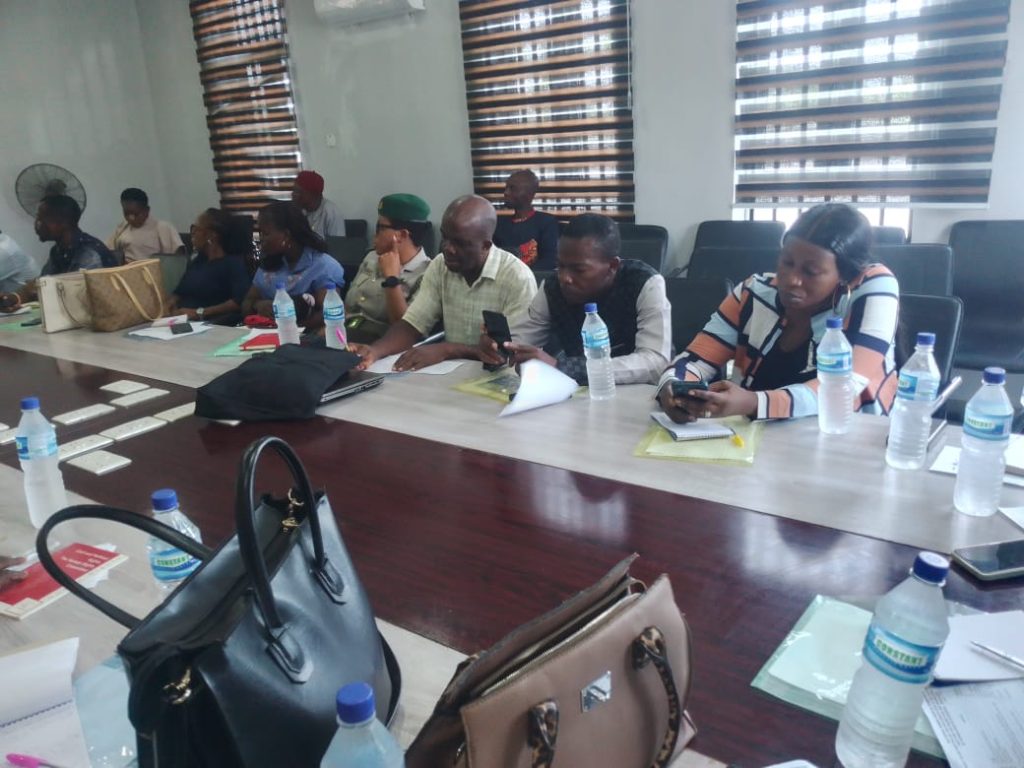
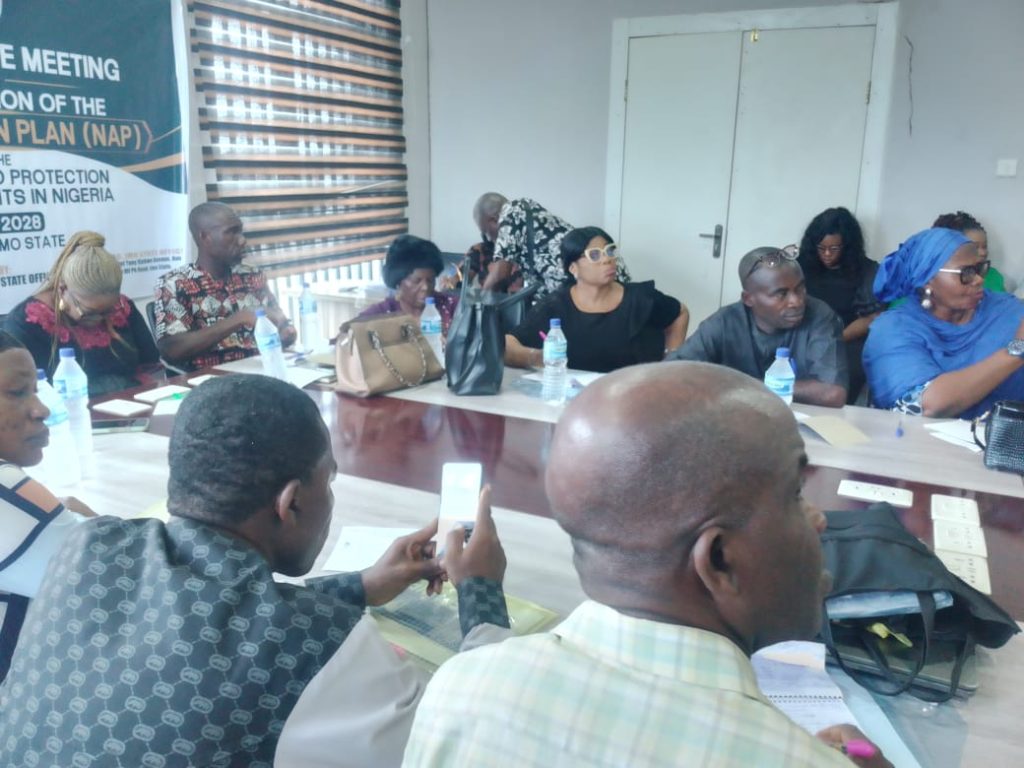
The meeting attracted a large gathering of representatives of government institutions, civil society organisations and other key stakeholders.
The National Action Plan is a comprehensive framework for the promotion and protection of human rights, reflecting Nigeria’s commitment under the Vienna Declaration and Programme of Action, as well as its constitutional, regional and international human rights obligations.
Speaking at the event, the Executive Secretary of NHRC, Dr. Tony Ojukwu, commended participants for their continued commitment to the promotion, protection and advancement of human rights in the country.
Dr. Ojukwu, who was represented by the Imo State Coordinator of NHRC, Dr. Valentine Madubuko, explained that the development and implementation of the National Action Plan demonstrate the collective resolve to uphold the dignity, freedom and rights of every citizen.
He noted that the consultative meeting would help review progress made so far, identify existing gaps and strengthen strategies for effective implementation. He identified issues relating to enforcement, awareness creation, institutional capacity and coordination among stakeholders as major challenges confronting the implementation process.
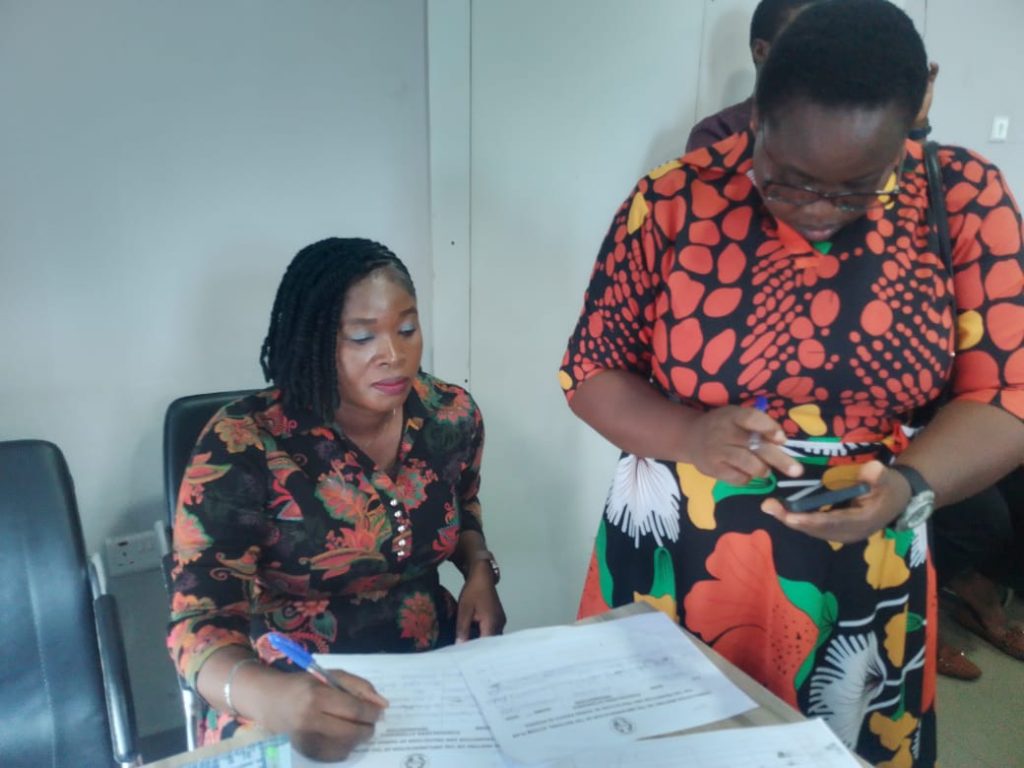
He further reassured participants of the Commission’s commitment to working collaboratively with all partners to ensure that the National Action Plan is well-articulated, actionable, measurable and impactful, stressing that the success of the Action Plan depends largely on inclusive participation.
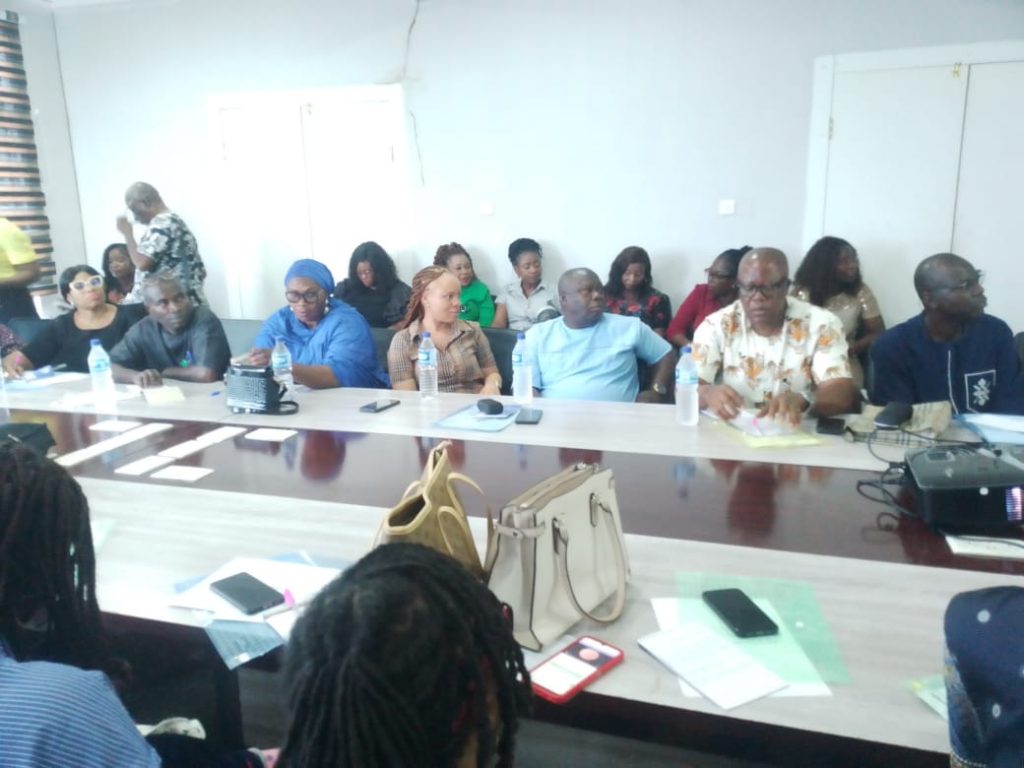
Earlier, the Chief Legal Officer of the Commission, Barr. Ikechukwu Ironali, while delivering a lecture titled, “Overview of the National Action Plan for the Promotion and Protection of Human Rights in Nigeria (NAP) 2024–2028,” described the Nigeria NAP 2024–2028 as a comprehensive, multi-sectoral five-year blueprint covering civil and political rights, economic and social rights, environmental and sustainable development rights, the rights of women and children, as well as business and human rights.
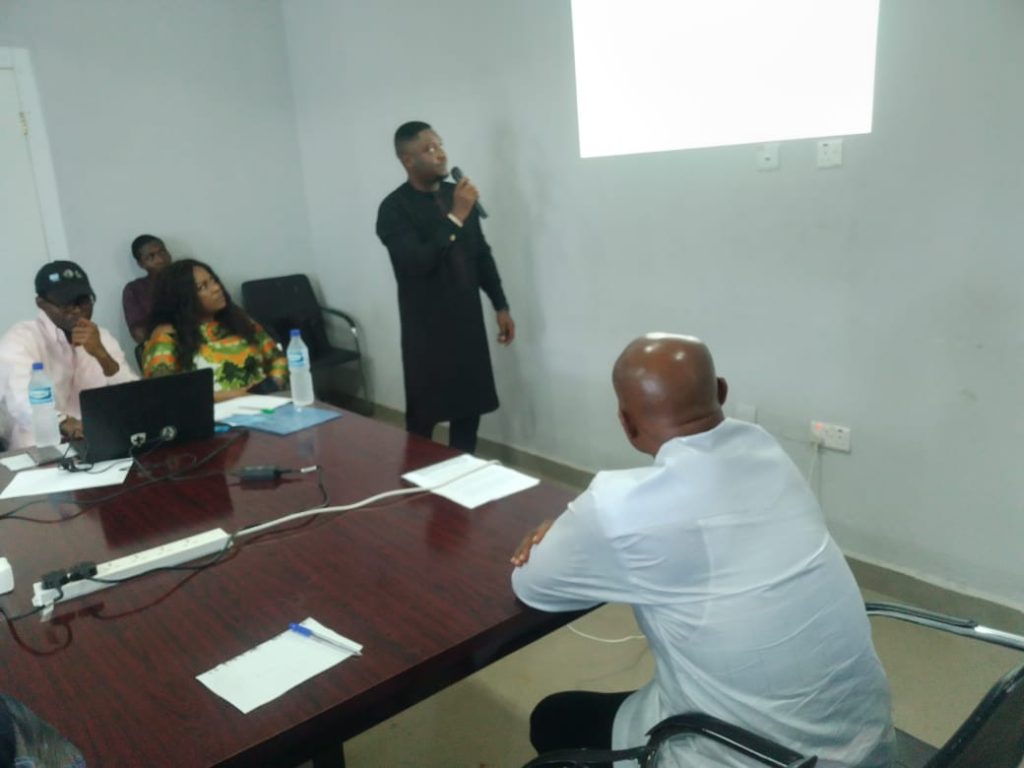
He highlighted the process involved in developing the Plan and the various rights covered under the NAP, noting that each area is operationalised through a structured implementation matrix with specific objectives, legal foundations, actions, performance indicators and outcome indicators, alongside clearly assigned institutional responsibilities.
Also speaking during a presentation titled, “Assessment of the State of Implementation of NAP 2024–2028: The Role of Government and Non-Governmental Agencies,” a Senior Legal Officer of the Commission, Barr. Ihunanya Okoroji, emphasized the role of Ministries, Departments and Agencies (MDAs), Civil Society Organisations and Human Rights Institutions in the implementation of the NAP.
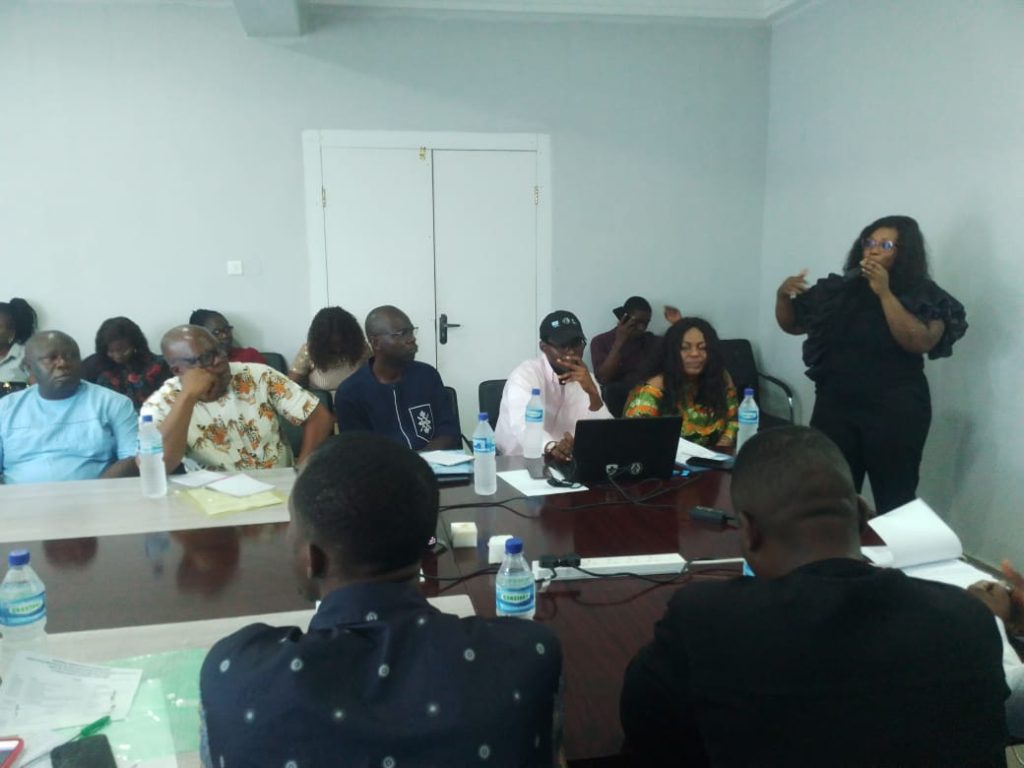
She noted that no single entity possesses the resources, capacity or scope to address the vast complexities of human rights challenges alone. According to her, strategic partnerships would enable stakeholders to pool expertise, share data and amplify voices for a more robust, sustainable and effective defence of fundamental freedoms.
Some participants, including a Superintendent of Corruptions, Ijeoma Iheoma Esq., said the National Action Plan implementation programme would ensure better enforcement of citizens’ rights and advocated increased awareness creation on the Action Plan.
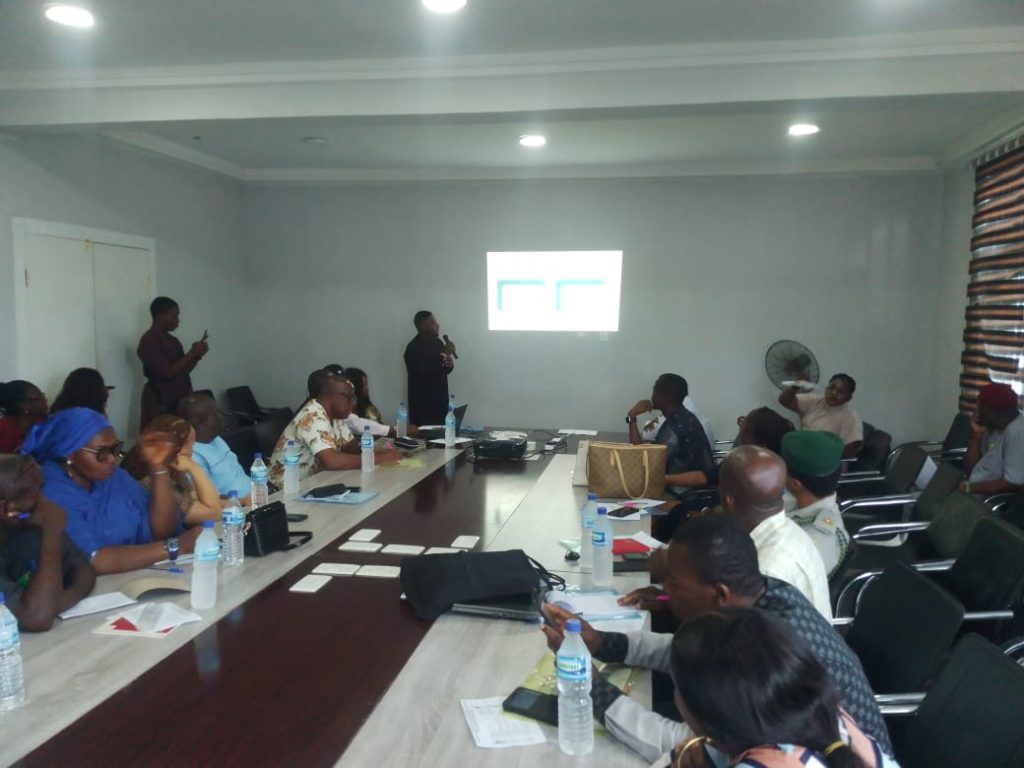
Another participant, Mr. Onyema George, described the NAP as a welcome development, noting that the protection of human rights is everybody’s responsibility.