

By Stanley Okehie
Amnesty International has organized a two-day capacity-building training in Imo State aimed at strengthening legal responses to gender-based violence (GBV).
The training, themed “Strengthening Legal Response to Gender-Based Violence and Survivor-Centred Practice,” had in attendance, lawyers and representatives of civil society organizations.
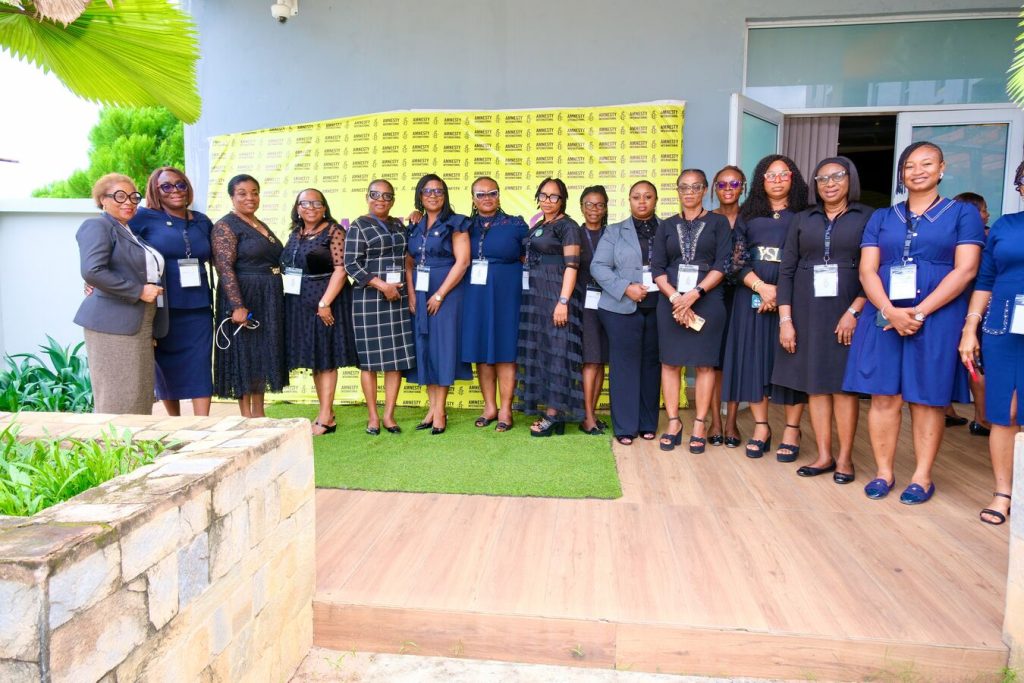
Addressing journalists at the end of the training, the Human Rights Communication Officer of Amnesty International, Helen Adah said the training was designed to equip participants with the knowledge and skills required to provide effective legal responses and survivor-centred support for victims of gender-based violence.
She explained that the training focused on case management, evidence gathering, strategic media communication, referral pathways, and adopting a survivor-centred approach in handling GBV cases.
Adah noted that available records indicate that Imo State has one of the highest rates of female genital mutilation in the country. She called for stronger collaboration among stakeholders to eliminate the practice and other forms of gender-based violence.

The Chairperson of the International Federation of Women Lawyers (FIDA), Imo State Branch, Phil Obiageri Amaefule highlighted the association’s commitment to protecting the rights of women and children.
She described FIDA Imo as a willing partner in the collective effort to eradicate gender-based violence in the state. Amaefule cited a recent case involving the defilement of a young girl by her father, describing it as an indication of the alarming prevalence of GBV.
Also speaking, the Chief State Counsel Imo State Ministry of Justice, Mrs. Chinaka Sunday recalled several gender-based violence cases including incidents of child defilement and expressed satisfaction with the successes recorded in prosecuting offenders.
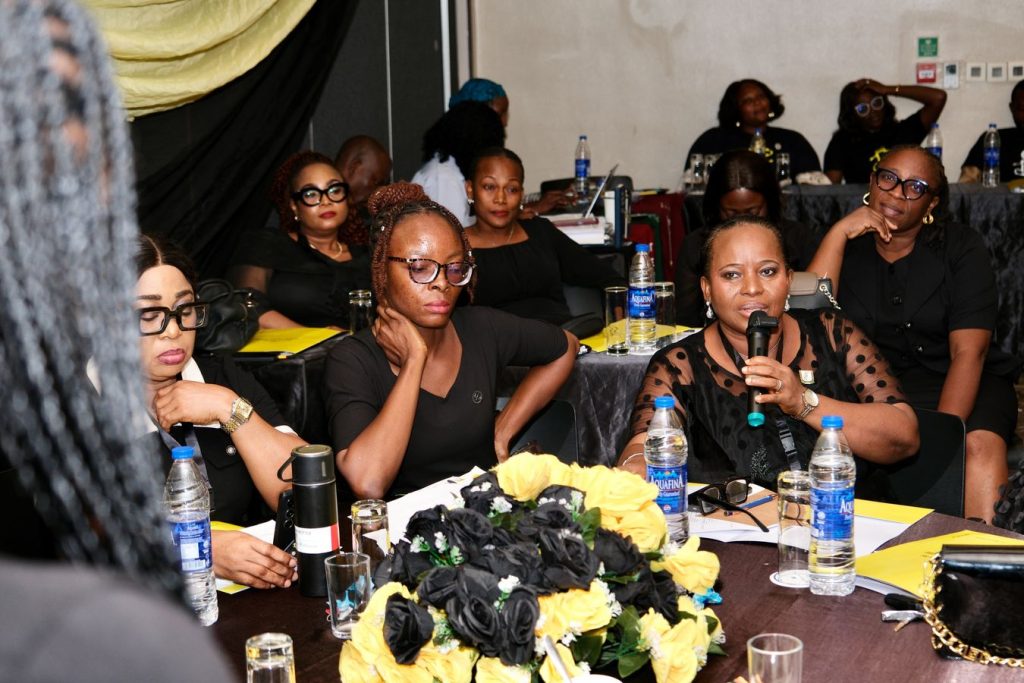
A legal practitioner, Ndidi Anike Val-Okeoma described the training as timely and beneficial for lawyers engaged in GBV advocacy.
She said the workshop provided participants with a better understanding of the relevant laws, legal and policy frameworks, and appropriate procedures for handling GBV cases.
According to her, the training also strengthened participants’ capacity for public sensitization and improved their understanding of referral mechanisms for survivors.

Val-Okeoma decried the limited access to justice for many survivors noting that prolonged litigation often delays justice.
She called for sustained public enlightenment on human rights and warned against secondary victimization, including victim shaming.
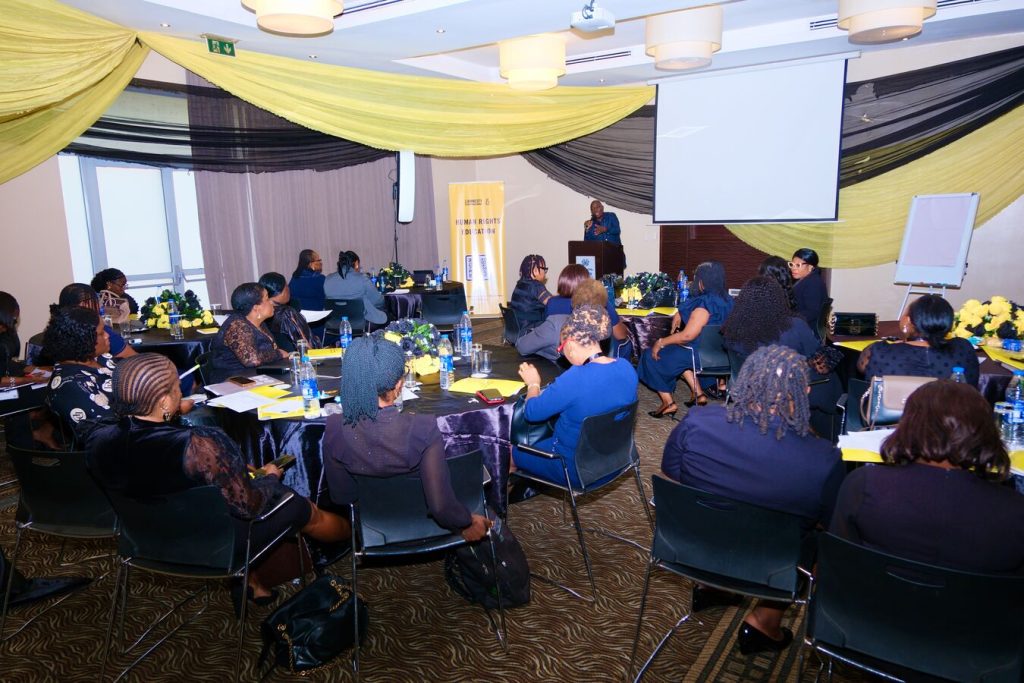
Other participants expressed concern over the non-functionality of the Imo State Deborah House which serves as the state’s Sexual Assault Referral Centre (SARC).
They urged the state government to expedite the establishment of the agency provided for under the Violence Against Persons (Prohibition) Law to guarantee a prompt and effective response for survivors.
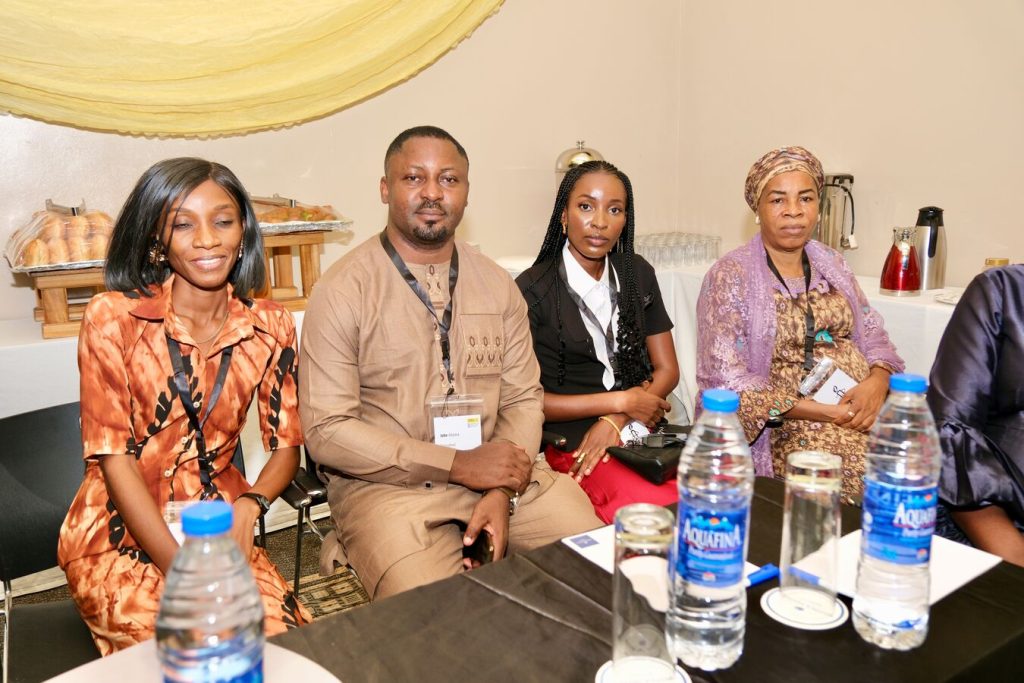
Earlier, a resource person, Rosemary Hamza cautioned that weak referral systems could worsen survivors’ trauma and expose them to a greater risk of repeated violence.